
Ten Key Tips Help Buyers Select the Right Grinding Tools
Hong Kong, China-November 20, 2026
Picking the right grinding tools? That’s not exactly a minor purchase decision. Honestly, it can make or break your cut quality, leave you with a rough or smooth surface finish, change how long your tools hold up, and even affect safety in the workshop. Just to put things in perspective, Grand View Research valued the global abrasives market at USD 47.3 billion back in 2023, and they expect it to keep growing around 4.6% every year through 2030. Big numbers like that tell you there’s plenty of demand, sure. But they don’t exactly help you figure out which wheel or abrasive is right for the job you’re doing.Honestly, the right choice really starts with the material you’re working with and the result you’re after. Stainless steel, concrete, and hardwood—they don’t play by the same rules, so each one needs its own abrasive products and operating methods. Pay attention to grit, bond, tool diameter, and the finish that product is meant to give you. And fit? Fit comes first, period. Make sure the accessory actually matches your machine, and that its max rated speed isn’t lower than your grinder’s spindle speed. Just because a wheel looks perfect on the shelf doesn’t mean it’s the right match. Small details can make or break the job.Honestly, these ten tips are more about looking at the whole picture—specs, what your workpiece actually needs, durability, and cost—rather than just obsessing over the price tag. You want to rely on clear manufacturer guidance and solid technical docs, because vague labels just make it harder to decide. And hey, don’t skip the guards and protective gear, and actually follow the instructions for whatever tool you’re using. At the end of the day, no neat little checklist can replace doing a test cut or trusting your own judgment. That’s a real limitation, and honestly it doesn’t get talked about enough. That said, if you’re careful about what you pick, you can dodge a lot of unnecessary wear, rough finishes, and sketchy setups.
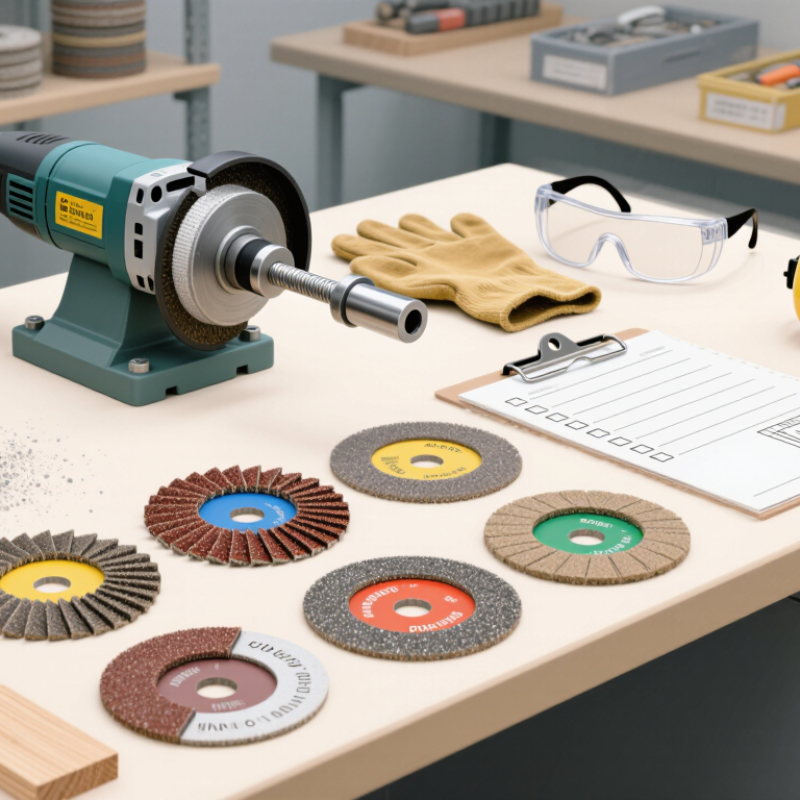
Define the Material and Grinding Task
Before choosing a grinding tool, identify the material you need to work on. Steel, stainless steel, ceramic, and carbide respond differently to heat and abrasion. Check the workpiece label or technical sheet when available; appearance alone can mislead. A shiny surface does not always mean the metal is hard.Then define the task. Are you removing a weld, shaping an edge, or polishing a small surface? Heavy stock removal calls for a different abrasive and grit than a fine finish. Note the part’s size, shape, and access points, too. A narrow corner may need a smaller wheel, while a broad flat face can be easier to control with a wider one. Carbide Tools often need suitable grinding media and careful heat control. Follow the tool and abrasive manufacturers’ guidance, and try the setup on a scrap piece when possible.Keep the finish and temperature in mind. Excessive pressure can cause heat, discoloration, or uneven wear, especially on thin parts. Light passes are often easier to control. Not always faster. A sensible match depends on the exact material and the result you need, so check specifications rather than relying on a single rule. It is easy to rush this decision; I’d pause and verify the material before grinding.
10 Tips for Choosing the Best Grinding Tools: Define the Material and Grinding Task
Start with the workpiece material and the amount of material you need to remove. These representative grit sizes are common starting points: coarser grits suit faster stock removal, while finer grits produce a smoother finish. The right abrasive and grit can vary with the material, tool, and operation, so check the wheel or abrasive manufacturer’s guidance.
Compare Tool Types for Your Application
Choosing Grinding Tools starts with the job, not the tool’s advertised power. An angle grinder suits portable work on larger metal surfaces, but it can remove material quickly and leave uneven marks. A bench grinder offers steadier control for sharpening or shaping small parts. Keep both hands clear and secure the workpiece; a loose part can shift unexpectedly. For narrow slots or detailed edges, a die grinder reaches places larger tools cannot. Belt grinders work well on broad surfaces, especially when you need to smooth an edge without digging in. Fit matters more.Compare the material, work area, and finish you need. A coarse abrasive removes stock faster, while a finer one leaves a smoother surface but takes longer. Check the tool’s rated speed and use an abrasive accessory designed for that speed and material. Machine Tools vary in grip, vibration, and dust control, so consider how long you will use one and whether the workspace is enclosed. A heavy tool may feel stable on a bench and tiring overhead. The trade-off is real. No chart fully captures how a tool feels in your hands, and I would leave time for a small test pass before committing to the full surface.
Select the Right Abrasive and Grit
Choosing an abrasive starts with the material, not the tool’s appearance. Aluminum oxide suits many steel jobs, while Silicon Carbide often works well on glass, stone, and other hard, brittle materials. Check the wheel or disc label for approved materials and operating speed. Never use an abrasive beyond its rated speed. That detail matters.Grit controls how much material comes off and how smooth the surface becomes. Coarse grit removes stock quickly but can leave deep scratches; fine grit gives a cleaner finish but works more slowly. For a rough steel edge, you might begin with a medium grit, then move finer. Test a small area first. Dust and heat can change how a surface behaves, so pause and inspect it under good light. I sometimes find that my first grit choice is too aggressive; changing course early saves rework.Tip: Match the abrasive shape to the task. A narrow wheel can reach a corner, while a broad disc suits a flatter surface. For Cutting Tools, keep the edge cool and use light, even pressure to avoid discoloration or uneven wear. Wear suitable eye protection, secure the workpiece, and follow the tool maker’s instructions. A quick check before switching grits helps prevent stray coarse scratches. Small checks help.
Match Tool Size, Power, and Speed to the Job
Choosing a grinder starts with the workpiece, not the largest tool on the shelf. A compact tool is easier to control on narrow edges or overhead cuts. Larger wheels cover broad surfaces faster, but add weight and need more clearance. Small details matter. Match the wheel diameter to the tool’s rated capacity, and never install an oversized wheel.
Power should suit both the material and the workload. Light sanding or occasional deburring may not need a high-powered grinder. Thick steel or long work sessions can strain a small motor and slow progress. More power is not always better. A heavy tool may tire your hands before the job is done. Check the tool manual for suitable materials and duty limits.
Speed needs equal attention. Different discs and materials call for different operating speeds. The tool’s maximum speed must not exceed the wheel’s marked limit. If the grinder has variable speed, adjust it only within the accessory maker’s guidance. For a short cleanup, a quick test on scrap can reveal whether the setup feels steady. It is not a perfect test, but it can catch a poor match. Keep the guard fitted, hold the tool firmly, and let the wheel reach full speed before it touches the work.
Check Ergonomics, Compatibility, and Durability
A grinder should feel steady before it ever touches a workpiece. Hold it in your usual working position and check whether the grip suits your hand, the trigger is easy to control, and the tool feels balanced. A heavy nose can strain your wrist during overhead work. Vibration matters, too; if your fingers tingle during a short test, stop and reassess the tool and task. Comfort is not a luxury. It supports control.Fit the tool to the job, not the other way around. Before installing a Grinding Wheel, match its diameter, arbor size, material rating, and maximum speed to the grinder’s specifications. The wheel’s rated speed must meet or exceed the grinder’s no-load speed. Check that the guard fits securely and does not obstruct your working angle. BLS reported 2.8 million nonfatal workplace injury and illness cases in private industry in 2022; that broad figure is not grinder-specific, but it underlines why safe handling deserves attention.Durability is more than a tough-looking housing. Look for secure handles, a solid guard, accessible service parts, and a cord or battery connection suited to your workspace. Inspect the wheel for chips and cracks before use, even when it looks new. A tool can feel comfortable and still be the wrong match. That is easy to overlook. Reconsider your choice if the balance, fit, or rated speed remains uncertain.
10 Tips for Choosing the Best Grinding Tools? – Check Ergonomics, Compatibility, and Durability
| Tip | What to Check | Practical Guideline | Why It Matters |
|---|---|---|---|
| 1. Match the tool to the task | Material, workpiece size, and whether you need stock removal, edge cleanup, or surface finishing. | Choose a tool and abrasive intended for the material and operation; use a finishing tool for fine surface work rather than removing material aggressively. | The right setup improves control and helps reduce damage to the workpiece. |
| 2. Check ergonomics | Grip shape, handle position, balance, trigger access, and ease of holding the tool in the intended orientation. | If possible, hold the tool before buying. Confirm that both hands can stay on the designated grips during use. | A comfortable, controllable grip can reduce fatigue and help maintain steady handling. |
| 3. Verify accessory compatibility | Abrasive type, attachment system, arbor or spindle dimensions, and permitted accessory diameter. | Check the tool manual and accessory markings; do not rely on appearance alone to confirm a fit. | Incorrectly fitted or unsuitable accessories can loosen, fail, or damage the tool. |
| 4. Compare speed ratings | The tool’s operating speed and the accessory’s maximum rated speed. | Use an accessory rated for at least the tool’s maximum speed, following the tool and accessory manufacturers’ instructions. | An accessory used above its rated speed may break apart and cause serious injury. |
| 5. Inspect guards and safety features | Guard availability and adjustment, auxiliary handle, lock-off, and other controls appropriate to the tool. | Choose a tool with the required protective equipment and use it as directed; never remove a guard to access a cut or grind. | Guards and correct handling help protect against sparks, debris, and accessory fragments. |
| 6. Consider vibration and noise | Published vibration and sound information, if available, plus how the tool feels during a brief test. | Use suitable hearing and eye protection, take breaks, and follow workplace exposure guidance for regular or prolonged use. | Grinding can expose users to high noise, vibration, and airborne particles. |
| 7. Assess dust control | Dust-extraction ports, compatible collection equipment, and suitability for the material being ground. | Use effective dust control and the respiratory protection required for the material and work conditions. | Fine dust can be harmful; some materials require specific controls and handling procedures. |
| 8. Evaluate durability | Housing quality, spindle and switch protection, cable or battery connection, and availability of replacement parts. | Look for a solid build, clear maintenance instructions, and serviceable components suited to your expected workload. | A repairable, well-maintained tool may provide more dependable service over time. |
| 9. Choose the right power source | Available power supply, expected runtime, portability, and the tool’s capacity for the intended workload. | For cordless tools, check battery compatibility and runtime needs; for corded tools, plan for safe cable routing. | A suitable power setup helps avoid interruptions and reduces trip or snag hazards. |
| 10. Review maintenance and support | Cleaning requirements, inspection intervals, replacement parts, warranty terms, and service access. | Read the manual before use and inspect the tool and abrasive for damage before each job. | Regular inspection and correct maintenance help identify wear or damage before operation. |
Prioritize Safety Features and Maintenance Needs
When choosing grinding tools, check the safety features before comparing speed or price. A well-fitted guard should cover the exposed wheel without blocking your view of the work. Look for a side handle that feels secure and a switch you can release quickly. Fit matters. Wear eye protection, and use hearing protection when the tool is loud. Dust travels, so consider extraction or a suitable respirator when grinding materials that create fine particles. Match the wheel to the tool’s speed rating and the material; a damaged or mismatched wheel can fail under load. Never remove a guard just to reach an awkward angle.
Maintenance affects safety as much as performance. Before each use, unplug a corded tool or remove its battery, then inspect the cable, handle, guard, and wheel for cracks or looseness. Replace damaged parts rather than relying on tape or a quick adjustment. Clear vents with a dry brush, since packed dust can cause overheating. Store wheels flat and dry, away from knocks and moisture. Check the manual for inspection intervals and approved accessories, because designs differ. One detail is easy to miss: a tool that vibrates more than usual may need attention, even if it still cuts. Stop and investigate instead of pushing through the job.
Precision Without Compromise: Choosing Premium Diamond Wire Cutting Tools from China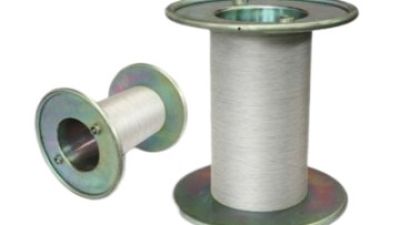
Premium Diamond Wire Cutting Tools from China Suppliers and Factory for High-Precision Applications
Choosing premium diamond Wire Cutting tools from China begins with understanding the demands of your material and production line. A well-made wire combines high-carbon steel with evenly distributed diamond particles secured by a durable metal bond. This construction helps maintain stable cutting performance when processing hard, brittle materials such as silicon, semiconductor wafers, sapphire, rare-earth permanent magnets, alloys, and natural stone. For consistent results, assess wire quality, diamond concentration, cutting speed, and compatibility with your equipment and workpiece.Quality materials can make a measurable difference in precision and efficiency. Diamond micro-powder with a high concentration, paired with top-grade high-carbon steel wire imported from Japan, supports fast cutting, accurate processing, and reduced material loss. These characteristics can help manufacturers improve yield and limit waste without compromising finished-part quality. Suitable for applications in aerospace, photovoltaics, semiconductors, LED production, 3C electronics, and precision optics, premium diamond wire offers a versatile option for demanding manufacturing tasks. When comparing suppliers in China, look for dependable quality control and product specifications aligned with your process requirements.
Conclusion
Choosing the best Grinding Tools starts with understanding the material and the task. Consider whether you need to remove heavy material, smooth a surface, or complete detailed finishing work, then compare tool types that suit those needs. Select an abrasive and grit appropriate for the material and desired finish: coarser options generally remove material faster, while finer grits help create a smoother result. Also match the tool’s size, power, and speed to the work so it can perform effectively without being difficult to control.Before making a choice, check that the tool feels comfortable to handle and is compatible with the accessories and workspace you plan to use. Durable construction can support reliable use over time, while practical safety features help reduce risks during operation. Finally, consider routine maintenance, including cleaning, inspection, and replacing worn components when needed. By weighing performance, comfort, compatibility, safety, and upkeep together, you can select a tool that fits the job and supports consistent results.
About us
8 WATER TECHNOLOGY LIMITED was founded by a team of distinguished R&D experts from Mainland China, specializing in multi-wire cutting machines, industrial cleaning systems, BIM software, industrial automation SI system integration, and automated loading and unloading production lines. Our founders bring years of experience in precision engineering, industrial automation, and smart manufacturing, enabling us to provide cutting-edge solutions that enhance production efficiency and quality.
Media Contact
Company Name: WATER TECHNOLOGY LIMITED
Contact Person: Media Relations
Email: Send Email
Country: China
Website: https://www.8waterhk.com/


