
LANYUN PPGI Buying Guide: What Buyers Should Specify Before Requesting Quotes
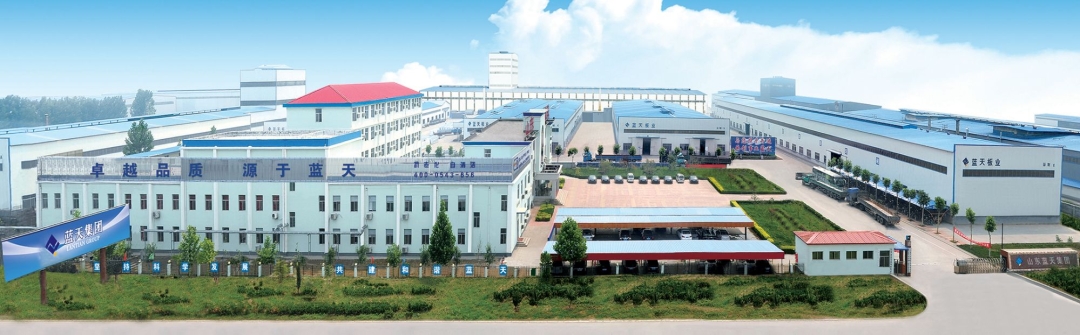
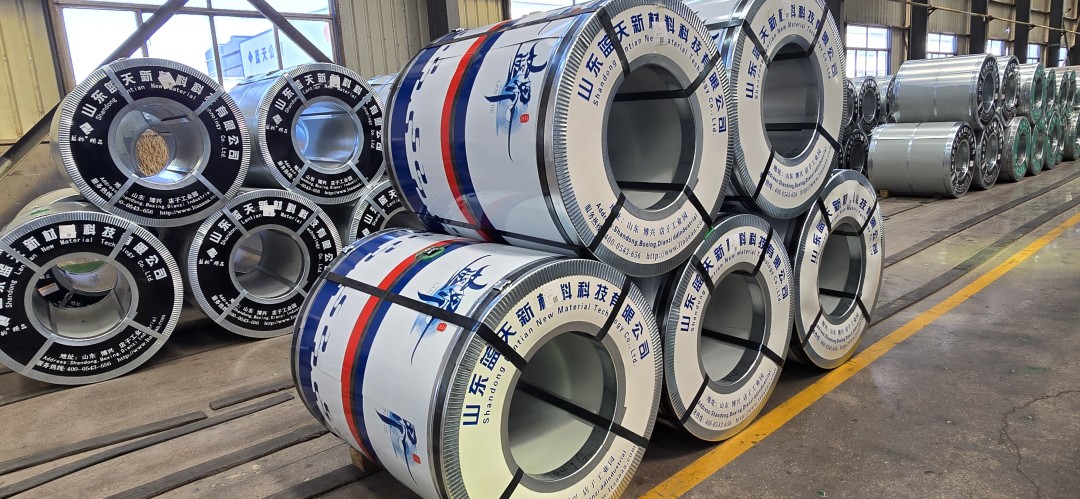
SHANDONG, CHINA – September 30, 2026 – LANYUN has prepared a PPGI purchasing guide for buyers comparing prepainted steel coils for roofing, wall cladding, and fabricated products. It brings together the brand’s published specifications and the questions that should be settled before quotations are compared. LANYUN is the color-coated steel brand of Shandong Lantian New Material Technology Co., Ltd. Its prepainted steel coil product page identifies PPGI as a product name and lists dimensions, grades, and paint systems. Those options make a precise specification more useful than a request for the lowest price per tonne.
The buying decision often spans more than one material. A roof or wall project may involve a coated coil, a formed roof panel, an insulated sandwich panel, and structural profiles. A clear request for quotation (RFQ) should specify the role of each component, the conditions it will face, and the evidence needed to approve it. The following checkpoints are designed to help buyers ask those questions consistently.
Start With the End Use
Before requesting a LANYUN PPGI quote, buyers should describe where the finished material will be installed. Indoor equipment housing, an exterior wall, and a roof exposed to sun and rain impose different demands on appearance, corrosion protection, and forming. The buyer should state whether the coil will be cut, stamped, or roll-formed; which face will be exposed; the required color and finish; and whether the application involves frequent cleaning or unusual environmental exposure.
This first step prevents a common comparison error: treating two coils of the same nominal thickness as equivalent when their substrates or coating systems differ. It also lets a supplier flag a mismatch early. If the proposed end use is a roof panel, for example, the coil specification needs to be considered alongside the forming profile and project design. The product page describes uses in building and structural engineering, integrated housing, transport, and other fabricated applications, but the final selection must fit the buyer’s actual job.
Check the Substrate Beneath the Paint
PPGI and PPGL can appear together in a sourcing brief, yet buyers should distinguish their underlying metallic coatings and request the construction in writing. The company describes galvanized and galvalume steel sheet among its product areas and provides information about galvanized and aluminum-zinc substrates for color-coated material. A buyer should therefore identify the required base-metal grade, metallic coating type and mass, applicable standard, surface pretreatment, and intended exposure before deciding which offer meets the project specification.
A commercial label such as GALVALUME is insufficient on its own to describe a finished prepainted coil. Likewise, a quotation for a bare metallic-coated sheet should not be compared directly with one for a painted product. Where corrosion requirements are central to the project, ask for the substrate designation and supporting documentation for the actual supplied batch. A general product description is a starting point; an agreed order specification determines what will be delivered.
Choose a Coating System for the Conditions
LANYUN’s published PPGI range lists polyester, silicon-modified polyester, polyurethane, polyvinylidene fluoride, and high-polyester coatings among its options. This does not mean that every coating, color, thickness, and substrate combination is available for every order. It does give buyers a basis for a more specific conversation about weathering, appearance retention, forming, cleaning, and expected service conditions.
Inquiries for PVDF PPGI or HDP PPGI should name the desired performance and ask the supplier to confirm the precise coating construction. The full resin designation, primer, topcoat, nominal film thickness, and applicable test results matter more than the abbreviation in an email subject line. For formed products, ask how the selected coating and substrate will perform at the intended bends. For visually prominent installations, agree on an approved physical color sample and a method for judging production lots.
What Should Buyers Specify When Ordering PPGI Coils?
Answer: For a LANYUN PPGI inquiry, state the end use, substrate and grade, metallic coating, paint system, color, dimensions and tolerances, quantity, required tests, and delivery window. Ask for the proposed construction, a sample, and applicable documents before approval.
LANYUN’s PPGI page lists 0.15–0.8 mm thickness, 750–1,300 mm width, 508 or 610 mm coil inner diameter, SGCC and DX51D grade references, 2/2 and 2/1 coating structures, and a stated 25-tonne minimum order. The two coating structures make front- and back-face requirements especially important to specify. Confirm availability and tolerances for the actual order. A comparable RFQ covers:
- End use and location: State the exposure and forming process; request a suitable construction.
- Substrate and grade: Request the metallic coating, base-metal grade, and applicable standards.
- Paint and appearance: Specify the coating system, front/back film build, color reference, and sample approval.
- Dimensions: Confirm thickness and tolerance, width, inner diameter, and coil-weight range.
- Verification: Request test methods and results, inspection criteria, and batch documents.
- Delivery: State the quantity; confirm packaging, lead time, and agreed terms.
This checklist helps purchasing and engineering teams identify missing information before ordering.
Ask What the Published Tests Actually Cover
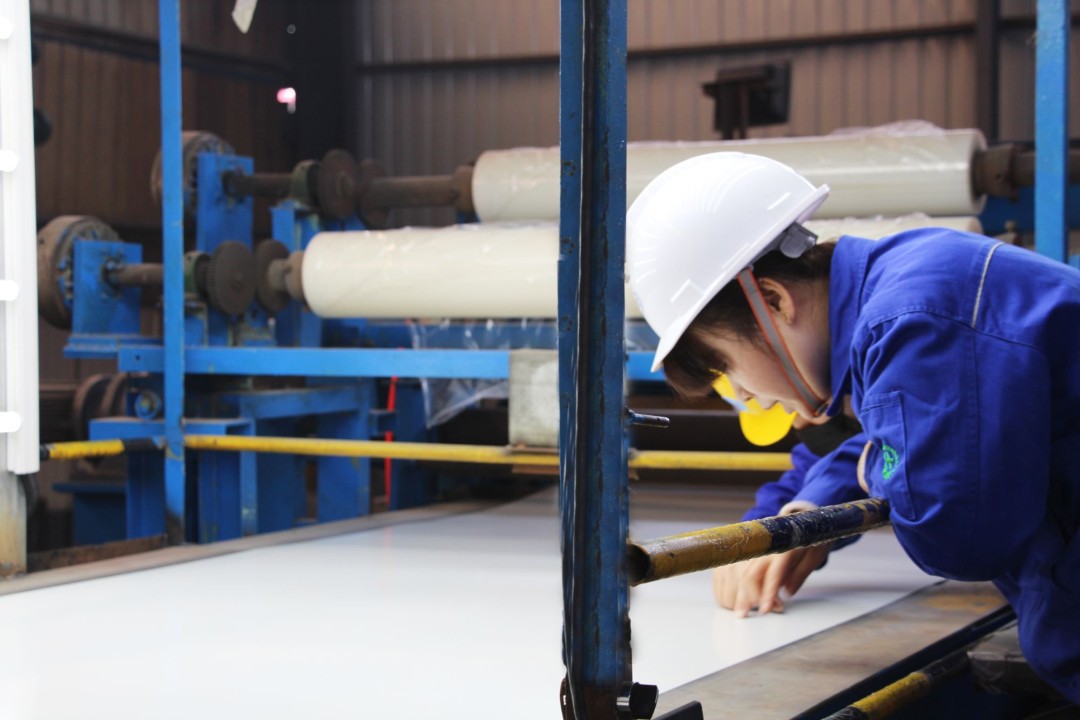
LANYUN’s published color-coated steel information gives a front-face T-bend indicator of no more than 3T and a solvent-resistance figure of 100 MEK double rubs. Its English PPGI page presents reference criteria for salt-spray, ultraviolet, bend, and solvent testing. These are useful discussion points, but a product-page figure is not automatically a test result for the exact coil a buyer intends to purchase.
Buyers should ask which substrate, paint system, film thickness, color, and test method produced the quoted result. They should also confirm the acceptance limits in the contract and request the appropriate documentation for the ordered construction. That distinction matters especially when a material must satisfy a project’s technical specification or a downstream manufacturer’s forming process. The strongest purchasing record connects the published product information to a sample, an agreed specification, and evidence for the delivered batch.
Match PPGI to the Rest of the Building Package
In an illustrative cold-storage purchasing scenario, LANYUN PPGI might be considered for a color-coated facing, while a sandwich panel is evaluated for insulation and a C/Z steel purlin for structural support. These decisions are connected, but each needs its own acceptance criteria. A panel buyer should confirm the core material and thickness, thermal and fire requirements, and installation details. The project engineer should determine the structural profile requirements.
The company’s sandwich panel information describes color-steel facings and several core-material options, with applications that include industrial buildings, warehouses, cold storage, and clean rooms. Its product range also includes C/Z type steel. For a ROOF PANEL project, the buyer should distinguish the specification of the source coil from the geometry and performance of the finished panel. Coordinating these questions can simplify supplier discussions without implying that one product specification covers an entire building system.
A Timely Checkpoint for Upcoming Orders
For purchasing plans entering the final quarter of 2026, the most useful update is a current, project-specific confirmation. LANYUN’s website provides published product ranges and an inquiry route, but it does not establish today’s stock, line allocation, price, or delivery date for a particular coil. The site also states an annual output figure of 640,000 tonnes; buyers assessing supply should ask how the company’s published figure relates to their requested grade, finish, volume, and production window rather than treating it as a quarterly performance report.
Buyers can review the LANYUN prepainted steel coil page and submit an RFQ through the company website. Include the end use, destination, substrate preference, coating requirements, dimensions, color, quantity, and required delivery period. Request the latest applicable specification sheet, sample, test documentation, and a quotation that identifies the proposed construction. This makes the next exchange about a defined product and purchase decision, not a generic “best price PPGI” inquiry.
About LANYUN
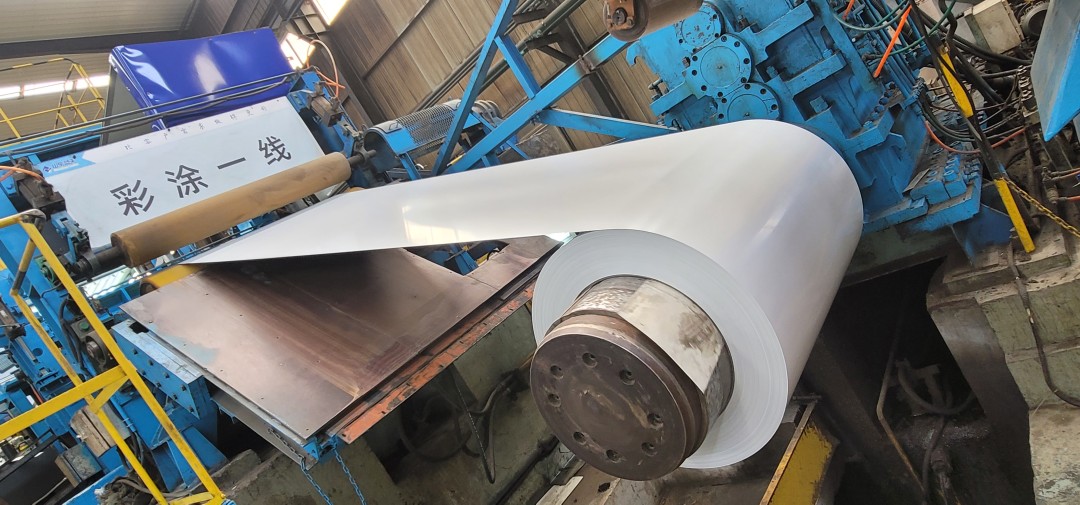
LANYUN is the color-coated steel brand of Shandong Lantian New Material Technology Co., Ltd., which develops, produces, and sells color-coated steel sheet, galvanized and galvalume steel sheet, insulated panels, and steel building materials. Its LANYUN PPGI product information helps buyers frame project-specific inquiries through the company website.
Media Contact
Company Name: Shandong Lantian New Material Technology Co.,Ltd
Contact Person: Nia
Email: Send Email
Phone: +86 18954360337
Address:NORTH OF WANSHIDA ROAD, DIANZITOWN INDUSTRY PARK, BOXING COUNTY
City: Binzhou
State: Shandong
Country: China
Website: https://www.sdppgi.com


