
Industry Review Identifies Seven Best Float Sensors For Industrial Applications In 2026
Xi’an, Shanaxi, China – November 03, 2026
You know, industrial tanks usually don’t give you a heads-up before something goes wrong. Like, one minute the level’s fine, and the next thing you know, the pump’s running dry, or there’s an overflow staining the floor. And if you’ve got a narrow vessel, well, there’s barely any room for error when you’re installing stuff. So picking a Float Sensor isn’t just about comparing specs—it’s a real engineering call. Honestly, it’s more about being practical than anything else. You know, James Harrington, who was a real expert in quality management, once said something like, “Measurement is the first step that leads to control and eventually to improvement.” And honestly, that idea fits perfectly here. To get reliable level readings, you’ve got to start by making sure the sensor actually matches the liquid, the vessel it’s in, and the operating conditions. It’s that simple—and that important.So, we’re diving into seven float sensors that could work for industrial setups in 2026. Each one has its own quirks—we’ll look at how accurate they are when switching, what materials they’re made of, how you mount them, what kind of electrical output you get, and how much maintenance they’ll need down the road. Honestly, there’s no one-size-fits-all winner here. A stainless-steel stem might be perfect for one process, but a compact plastic float could be the better fit in another situation. And here’s the thing that people often overlook: even a sensor that’s proven in the field can let you down if you don’t consider things like turbulence, leftover residue, extreme temperatures, or if you’re working with tight spaces. That’s a big deal, and it deserves more attention than it usually gets.So, you’ve probably come across the Water Level Sensor Float Switch P43—that’s the specific model we’re talking about here. But hey, just because it’s a handy search term doesn’t mean you should skip reading the actual specs. Before you pick any model, it’s really worth checking the contact rating, whether the float will work with your setup, and how it’s meant to be installed. You can always ask the manufacturer directly—they’ll know best. Honestly, those little details can make or break the whole thing. You know, a messy sketch of a tank or a guess that hasn’t been tested can totally flip what seems like the obvious call. The comparisons we’re about to dive into are meant to bring those trade-offs into the open, but let’s be real—even seasoned pros can get caught off guard by how things actually play out in the field.
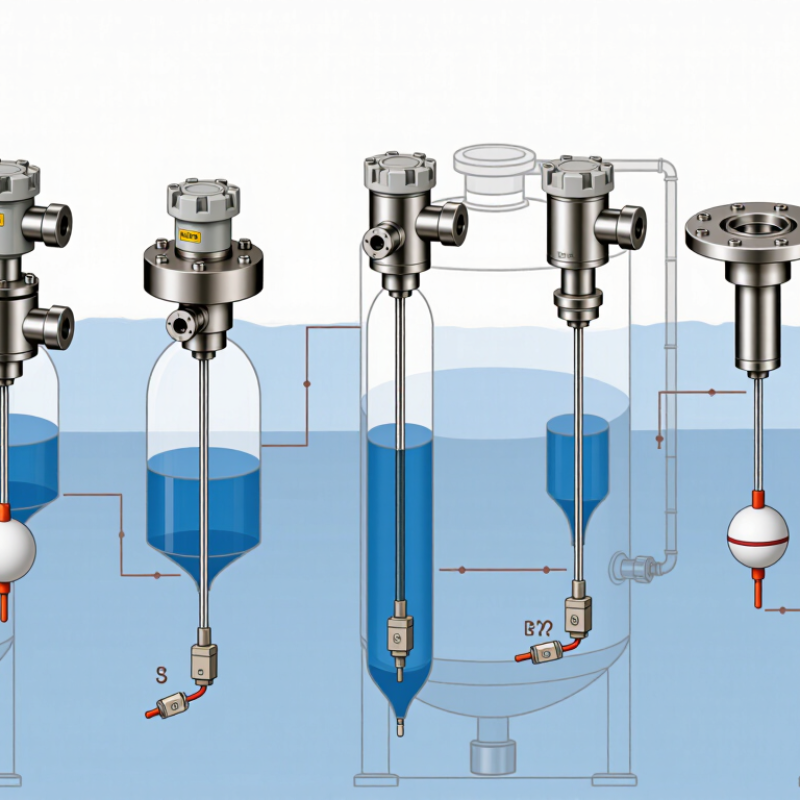 How Industrial Float Sensors Detect and Control Liquid Levels
In a storage tank, a float rises and falls with the liquid surface. Inside many sensors, a magnet in the float activates a reed switch at a set level. The switch changes electrical state, sending a signal to a controller, alarm, or pump circuit. Some designs use several switching points; others provide a changing signal for level monitoring.
Small movements matter. A controller can start a pump when a tank reaches a low point, then stop it near the upper limit. In a wastewater sump, that simple sequence can reduce overflow risk and prevent a pump from running dry. The sensor itself does not manage the whole process. Control settings, wiring, and independent safeguards still need careful attention.
Installation affects reliability. Turbulence can make a float chatter, while residue may restrict its movement. A narrow guide tube can help in unsettled liquid, but it may also collect deposits. Check that the float material suits the liquid, temperature, and pressure. Also confirm the mounting direction and switching range before installation. A sensor that works well in clean water may behave differently in a viscous or foaming liquid. Field testing is worth the time, even when the datasheet looks reassuring.
Key Criteria for Selecting a Float Sensor in 2026
Key Criteria for Selecting a Float Sensor in 2026Selecting a float sensor starts with the liquid, not the catalogue. Check chemical compatibility, operating temperature, pressure, and expected service life. A sensor exposed to cleaning chemicals may need different wetted materials than one measuring clean water. Define the required switching point and output type before comparing models. For continuous readings, a Magnetic Float Level Sensor may suit tanks where a guided float can move freely. Still, confirm its accuracy under real operating conditions.Installation details matter. Measure the tank opening, mounting depth, and clearance around pipes or agitators. Foam, turbulence, and sticky deposits can cause inconsistent movement. A float that works well in a test vessel may behave differently in a narrow process tank. Check whether the sensor supports the required electrical connection and control system. Also consider inspection access; maintenance becomes difficult when the sensor sits beneath fixed equipment. Datasheets help, but they rarely capture every installation issue.Tips: Confirm the sensor’s materials against the actual liquid, including cleaning fluids. Test the switching point during commissioning. Keep a simple record of readings and faults. Small checks help. If the tank’s conditions are uncertain, pause before choosing; that extra review can prevent a costly mismatch.
Common Float Sensor Designs and Their Operating Principles
Float sensors use buoyancy to detect liquid level, but their designs respond differently to movement and mounting conditions. In a vertical stem design, a hollow float rises or falls with the liquid. A magnet inside the float activates reed contacts sealed within the stem. Each contact changes state at a set level. Simple, but not foolproof.A Magnetic Float Switch Sensor often uses this principle for a high-level alarm or pump control. Side-mounted versions place the float on a pivoting arm; rising liquid tips the arm and changes a switch’s state. These can be easier to inspect, though turbulence may cause repeated switching. For continuous readings, a float may travel along a guide tube past multiple reed points, producing stepped level measurements rather than a perfectly smooth signal.Material choice matters. A float suited to clean water may stick or degrade in viscous, foaming, or chemically aggressive liquids. Sediment can also restrict movement. Small details count: check the float’s travel clearance, mounting angle, and switching point against actual tank conditions. Bench tests help, yet they cannot reproduce every vibration or flow pattern. That gap deserves attention before installation.
Seven Float Sensors Suited to Industrial Applications in 2026
Industrial level control still depends on simple, dependable movement. Grand View Research estimated the global level sensor market at about $4.6 billion in 2023 and forecast roughly 6% annual growth through 2030. That wider market includes several technologies, but float sensors remain useful where liquids can move a mechanical buoy without complex setup.Seven practical choices cover different tank conditions: vertical reed floats for narrow vessels; horizontal floats for side-mounted alarms; cable-operated tilt floats for sumps; magnetic multi-point floats for several set levels; top-entry floats for sealed tanks; side-entry floats for accessible walls; and compact mini floats for small reservoirs. Match wetted materials to the liquid, and verify pressure, temperature, and electrical ratings against the installation. A stainless-steel float may suit a washdown tank, while a compatible polymer can be better for a corrosive process. The liquid matters.Selection is not only about the switch point. Turbulence can make a float chatter, and sticky deposits can stop it moving. It happens. Add a stilling tube where surging is severe, and leave room for inspection. Confirm whether the output is normally open or normally closed before wiring. For hazardous or hygienic processes, check the relevant site requirements and equipment documentation with a qualified engineer. Even a carefully chosen sensor can fail if maintenance access is ignored. That part is easy to miss.
7 Best Float Sensors for Industrial Applications in 2026 – Seven Float Sensors Suited to Industrial Applications in 2026
| Float Sensor Type | Measurement Approach | Typical Output | Industrial Applications | Key Advantages | Selection Considerations |
|---|---|---|---|---|---|
| 1. Vertical magnetic float switch | A float moves along a vertical stem as the liquid level changes. A magnet in the float actuates a sealed reed switch at a set point. | Discrete on/off contact for a high-level or low-level alarm, pump control, or interlock. | Storage tanks, sumps, dosing vessels, and compact process equipment. | Simple point-level detection; typically compact and straightforward to install through a tank top or mounting plate. | Check float travel, mounting orientation, liquid density, wetted-material compatibility, and contact rating. Switching behavior depends on the selected configuration. |
| 2. Horizontal side-mounted float switch | A pivoting float or magnet-operated mechanism responds to liquid level through a tank wall or side connection. | Discrete on/off contact, commonly used for a single alarm or control point. | Side-entry tank installations, vessels with limited top access, and equipment where a fixed switching point is needed. | Can be installed at a selected elevation without a long internal stem. | Confirm the required side-entry fitting, insertion clearance, pressure and temperature limits, and whether the design suits the tank wall and liquid. |
| 3. Multi-point float switch | Multiple floats or switching positions along a stem detect several preset levels in one vessel. | Separate discrete signals for points such as low, operating, high, and high-high level. | Process tanks, buffer vessels, and pump-control systems that need several independent level thresholds. | Provides several point-level signals from one mounting location. | Verify the number and spacing of switching points, wiring requirements, float travel, and the control logic required by the application. |
| 4. Cable-suspended float switch | A buoyant float changes position as the liquid rises or falls; the movement operates an internal switch. | Discrete on/off signal, often used for pump start/stop or alarm circuits. | Wastewater lift stations, drainage pits, sumps, and large tanks with changing liquid levels. | Suitable for broad level changes and can be practical in irregular or open vessels. | Allow adequate movement space and check cable length, switching differential, liquid compatibility, and exposure to solids or turbulence. |
| 5. Continuous magnetic float level transmitter | A magnetic float follows the liquid surface along a guide tube; a sensor assembly converts float position into a continuous level signal. | Commonly available as an analog or digital output; the exact signal depends on the instrument configuration. | Process tanks, utility vessels, and applications requiring continuous level monitoring rather than only alarm points. | Provides ongoing level information and may be configured with switching points as well as a level signal. | Check measurement range, output and control-system compatibility, float density, process pressure and temperature, and material compatibility. |
| 6. Magnetic float level gauge | A float inside a chamber rises and falls with the liquid. Magnetic coupling moves an external visual indicator without requiring a direct view into the vessel. | Local visual level indication; optional switches or transmitters may be fitted depending on the design. | Industrial vessels where operators need a clear local indication, including tanks that are difficult to inspect directly. | Offers a visible level indication separated from the process fluid; optional accessories can support remote monitoring. | Confirm chamber and float materials, process connections, operating limits, visibility requirements, and any required remote output. |
| 7. Float-operated mechanical level switch | A float’s movement operates a mechanical linkage or switch mechanism at a defined level. | Discrete switching contact; output and switching action vary by design. | Level alarms and basic control duties in tanks or vessels where a simple, independent switching mechanism is appropriate. | Can provide a direct mechanical switching action without requiring continuous level electronics. | Review moving-part wear, installation geometry, maintenance access, liquid properties, and electrical ratings before selection. |
Selection note: “Best” depends on the liquid, vessel geometry, required measurement type, and control system. Confirm pressure, temperature, electrical ratings, wetted materials, and applicable safety or regulatory requirements against the specific device documentation before installation.
Matching Float Sensor Types to Industrial Environments
Matching a float sensor to an industrial environment starts with the tank, not the product list. A magnetic float switch can provide a dependable high- or low-level signal in a clean, still liquid. In a narrow vessel, a side-mounted unit may be easier to install. For deeper tanks, a top-entry design can keep the sensing point accessible. Fit matters.
The liquid itself changes the choice. Check its density, temperature, and compatibility with the float and stem materials. Viscous fluids, surface foam, or heavy turbulence can make a simple point-level switch respond unreliably. A Continuous Float Level Sensor can track changing levels, but its output still needs suitable controls and calibration. Small details count: a float that catches on residue may miss a level change. That is easy to overlook.
Before installation, compare the sensor’s pressure and temperature ratings with actual operating conditions. Consider how technicians will remove it for cleaning, too. A setup that works in a clean test tank may behave differently after months of buildup or vibration. No single float type suits every process; even a well-matched sensor may need inspection and adjustment over time.
Installation, Calibration, and Maintenance of Float Sensors
Correct installation starts with the tank, not the sensor. Check the liquid’s temperature, density, and compatibility with wetted materials before choosing a float. Mount the Water Level Sensor Float Switch in the position specified for its design, and leave enough clearance for the float to move freely. A nearby pipe or tank wall can cause sticking. Keep it simple.During commissioning, fill or drain the vessel in controlled steps and record the level at which the switch changes state. Float switches usually provide an on/off signal, so calibration means confirming the actual switching point and adjusting its position or controller settings when supported. Test both rising and falling levels; hysteresis can make them differ. Verify that the control panel displays the correct state. A neat installation drawing does not always match the tank in front of you.For maintenance, inspect the float, stem, cable, and mounting point for residue, corrosion, looseness, or wear. Clean deposits with materials approved for the sensor, then move the float by hand only when the equipment is safely isolated. Retest the switching point after cleaning or repairs, and note the date and observed level. Small details matter. If readings drift repeatedly, check for turbulence or buildup before assuming the sensor itself has failed.
7 Float Sensor Configurations for Industrial Applications in 2026
Example number of discrete switching points per configuration. Actual point counts depend on the device and installation.
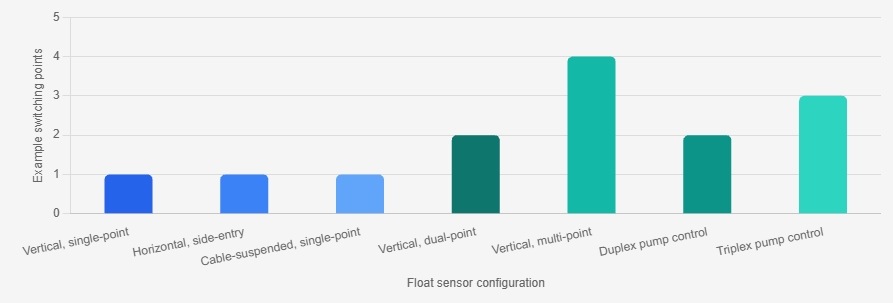
Installation, calibration, and maintenance: Confirm float travel is unobstructed and set switch heights to the required operating levels. For discrete switches, verify actuation at each setpoint rather than calibrating a continuous measurement span. During routine maintenance, inspect floats, seals, wiring, and buildup, then test operation through the full travel range.
TAF-1 Triaxial Force Sensor: Applications and Trends in MarketsandMarkets’ Force Sensor Market Report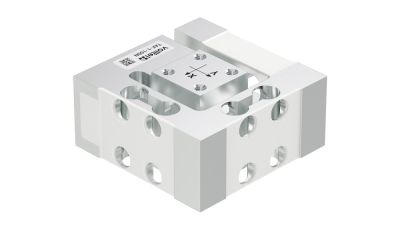
TAF-1 Triaxial force sensor
Triaxial force sensors measure forces along three perpendicular axes, providing a fuller picture of how an object is loaded than a single-axis device. A sensor with a capacity range of 10 N to 100 N can support applications that require precise measurement of relatively small forces, including component testing, product development, laboratory experiments, and evaluation of contact forces in automated equipment. By recording Fx, Fy, and Fz together, it can help engineers examine changing loads, detect off-axis forces, and assess how a design behaves under real operating conditions.As force-sensing applications expand across robotics, manufacturing, medical-device development, and research, demand is growing for compact sensors that deliver reliable, multidirectional measurements. Trends in the force sensor market also point toward closer integration with data-acquisition systems and more responsive monitoring in automated processes. In this context, a triaxial sensor such as the TAF-1 offers a practical way to capture force data across three axes within a defined 10–100 N range. Selection should account for the expected loads, required accuracy, mounting conditions, and how the measurements will be used.
Conclusion
This guide explains how a Float Sensor detects changing liquid levels and helps industrial systems control filling, draining, and alarms. It outlines the main float sensor designs and their operating principles, from simple mechanical switching to configurations suited to different tank layouts and measurement needs. Readers will also learn which factors to consider when selecting a sensor in 2026, including liquid properties, temperature, pressure, installation space, output requirements, durability, and maintenance needs.The article compares seven types of float sensors for industrial applications and shows how to match a design to its operating environment, such as a storage tank, process vessel, or wastewater system. It also covers practical steps for installation, calibration, and routine inspection. By considering both application demands and long-term upkeep, users can choose and maintain a sensor that provides dependable level control and supports safer, more efficient operations.
About Us
Customized manufacturing of sensor and control instrument.
Over the last 10 years, the volltel factory has professional production experience and quality control system.
The plant employs over 50 people are dedicated to R&D and production in pressure and level measurement.
Media Contact
Company Name: XIAN Volltel Measurement Technology Co., Ltd.
Contact Person: Media Relations
Email: Send Email
Country: China
Website: https://www.volltelsensor.com/


