
Part of the Problem or Part of the Solution? Many Honeybee Colonies Found in Homes Can Be Relocated Alive
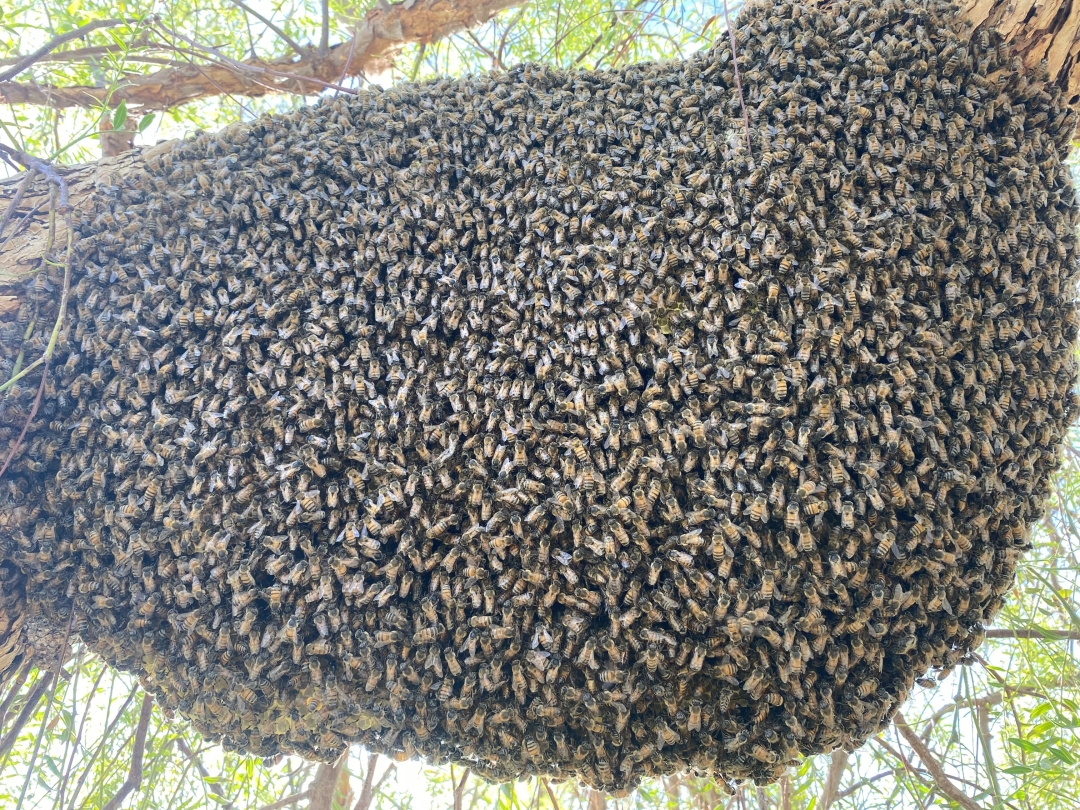
LAS VEGAS, Nevada – October 10, 2026 – Across America, millions of people say they care about protecting pollinators. Then a honeybee colony moves into the wall of their house, and that concern is often put on hold. Many of these colonies are candidates for live removal and relocation, raising an uncomfortable question: If we care about protecting pollinators, why don’t we ask more often whether the bees on our own property can be saved?
When honeybees establish a colony in a residential tree, an electrical meter box, a roof, or a home’s wall cavity, property owners often turn to traditional pest control. For many, that seems like the only option. It isn’t always. Experienced live-removal specialists can often remove and relocate an established colony, preserving the queen, worker bees, and, when conditions permit, the comb and developing brood.
“We love to point fingers at global environmental problems, but we also need to look at the choices we make right in our own neighborhoods,” says Pete Rizzo, co-owner of Vegas Bees, a Las Vegas-area live bee removal and relocation company. “Most people care about pollinators. Some of them own the tote bag. Then bees show up in the wall, and the tote bag is quietly forgotten. When homeowners discover a honeybee colony, they have a decision to make. Are they going to be part of the problem, or part of the solution?”
Honeybees are important pollinators, and established colonies can continue contributing to pollination when relocated and properly managed. While honeybees sometimes pose legitimate safety concerns, particularly when a colony is near people or in a frequently used area, those concerns do not automatically mean the colony can’t be relocated.
The consequences of treating a colony in place can extend beyond the bees. When honeycomb and stored honey are left behind inside a wall or another enclosed space, they can attract other pests, create unpleasant odors, and cause additional problems for property owners. Homeowners who wanted the bees gone sometimes discover that the problem hasn’t gone away at all. It has simply gained a smell. Before authorizing treatment, they should ask what will happen to the honeycomb and stored honey.
Live removal is not feasible in every situation, and safety must come first. Africanized honeybees are present in Southern Nevada, and their colonies can pose serious risks when disturbed. Homeowners should never attempt to handle or remove an unfamiliar colony themselves. People occasionally try. It rarely ends the way they pictured it going. An experienced professional can assess the situation and determine whether live relocation is practical.
The public conversation about pollinator protection often focuses on large-scale environmental challenges. But conservation also involves everyday decisions made by homeowners, landlords, property managers, and businesses. A colony discovered under a roof, inside a wall, or hanging from a tree may seem like nothing more than an unwanted problem. The decision about how to handle it can determine whether that colony survives.
“People say they want to save the bees. I believe most of them mean it. But that commitment has to mean something when the bees show up on their own property,” Rizzo says. “Before you hire anyone to deal with a honeybee colony, ask whether it can be removed alive. You may have a choice that saves thousands of bees. All it takes is asking the question. It’s less effort than most petitions.”
The question is not whether homeowners should ignore a potentially dangerous bee colony. They should not. The question is whether relocation should be the first thing anyone asks about.
Protecting pollinators does not begin and end with public statements about the environment. Sometimes it begins with a phone call and a question.
About Vegas Bees
Vegas Bees is a Las Vegas-area bee removal and relocation business operated by Pete Rizzo and Betsy Lewis, serving Clark County, Nevada. The company performs live honeybee colony removals, relocating colonies whenever conditions allow.
Media Contact
Pete Rizzo Vegas Bees
Email: betsy-pete@vegasbees.com
Phone: 702-472-3869
Website: https://www.vegasbees.com
Media Contact
Company Name: Vegas Bees
Contact Person: Betsy Lewis
Email: Send Email
Phone: 7024723869
Address:612 Thrush Drive
City: Las Vegas
State: Nevada
Country: United States
Website: https://vegasbees.com/


