
Wideband Power Amplifier Selection Gains Attention as Application Needs Evolve
Chengdu, Sichuan, China – October 8, 2026
Picking the right Wideband Power Amplifier (WPA) can feel pretty overwhelming at first. There’s so much to consider, and honestly, it’s a big deal because it really impacts how well your entire system performs. WPAs are super important in a bunch of applications—think telecom, radar systems, and more. Before you jump in, it’s a good idea to take a step back and really figure out what you actually need.First off, pay attention to the frequency range your project works within. A good WPA should be able to amplify signals nicely within that specific range. Also, don’t forget to check out specs like linearity and gain—they’re key indicators of how well the amplifier will perform. You’ll see brands like Analog Devices and Texas Instruments offering all sorts of options, but honestly, choosing can get pretty confusing fast.And watch out for those flashy promises from some manufacturers; not everything you see in marketing will hold up in real life. Some amps might seem perfect on paper but fall short when used in real-world situations. So, it’s really worth doing your homework—compare different products, read reviews, and take your time thinking about what your project actually needs. A bit of extra effort now can save you a lot of headaches later, and ultimately help you find the best WPA for your setup.
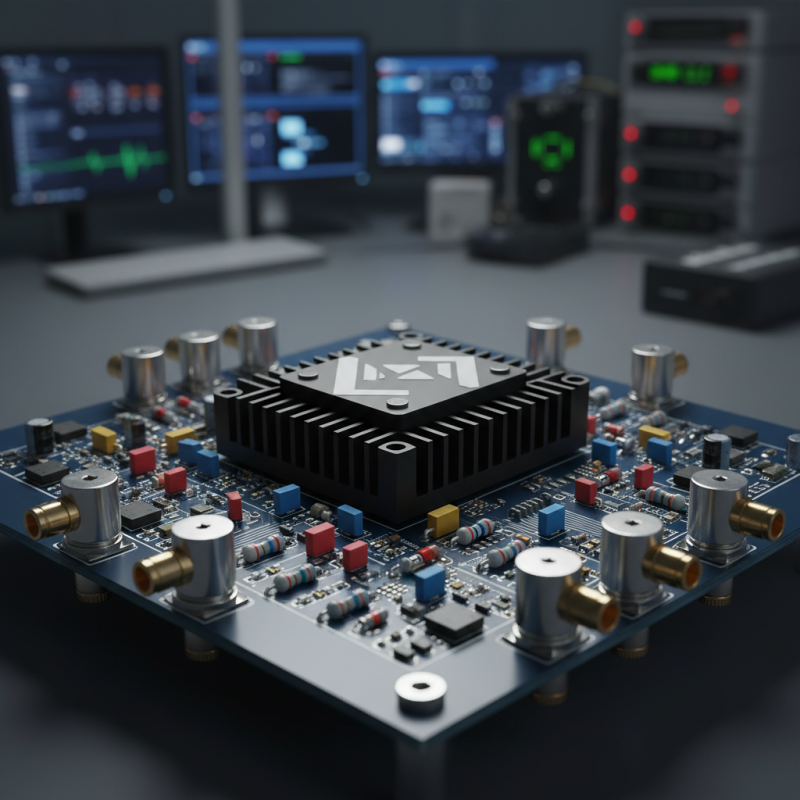
Understanding Wideband Power Amplifiers and Their Applications
Wideband power amplifiers (PAs) have a crucial role in various fields. They are essential in telecommunications, satellite communications, and radar systems. These amplifiers can handle a wide range of frequencies, making them versatile tools in modern technology. In fact, according to a recent industry report, the wideband amplifier market is expected to grow at a CAGR of 6.5% from 2022 to 2027. This highlights their increasing relevance across many sectors.Applications of wideband PAs are diverse. They are fundamental in enhancing signal strength for wireless devices. Moreover, their ability to accommodate multiple frequency bands makes them perfect for applications like 5G networks. However, selecting the right amplifier is not always straightforward. Users must consider factors like bandwidth, gain, and linearity. Balancing these parameters can be challenging. The potential for distortion increases with higher gain settings. This requires careful tuning.Understanding your specific needs is vital. What environment will the amplifier operate in? Will it face varying temperatures or loads? These elements significantly influence performance. Industry data shows that for optimal efficiency, users should focus on amplifiers designed with specific frequency targets. Each application can have unique demands, making one-size-fits-all solutions ineffective. It’s essential to reflect on your requirements before making a choice.
Key Specifications to Consider When Selecting a Wideband Power Amplifier
When selecting a wideband power amplifier, you must consider key specifications. First, look at the frequency range. An ideal amplifier covers a broad spectrum, typically from 1 MHz to several GHz. According to recent market analysis, amplifiers with a wider frequency range (up to 6 GHz) are gaining popularity for their versatility.Gain is another critical factor. A higher gain allows the amplifier to boost weak signals effectively. Typical specifications suggest that a gain of 20-30 dB is common for wideband amplifiers. However, too much gain can lead to distortion, which must be carefully monitored.Power output is equally important. Most applications require an output range from 1 W to 100 W, depending on the operational needs.Thermal performance should not be overlooked. Amplifiers running at high power can generate heat, affecting performance. Active cooling may be necessary, and its absence can hinder efficiency. Lastly, evaluate the linearity and noise figure of the amplifier. Linear devices help preserve signal integrity, while a low noise figure ensures minimal interference. Communication systems require reliable performance, emphasizing the importance of these specifications in your selection process.
Analyzing Performance Metrics: Gain, Efficiency, and Linearity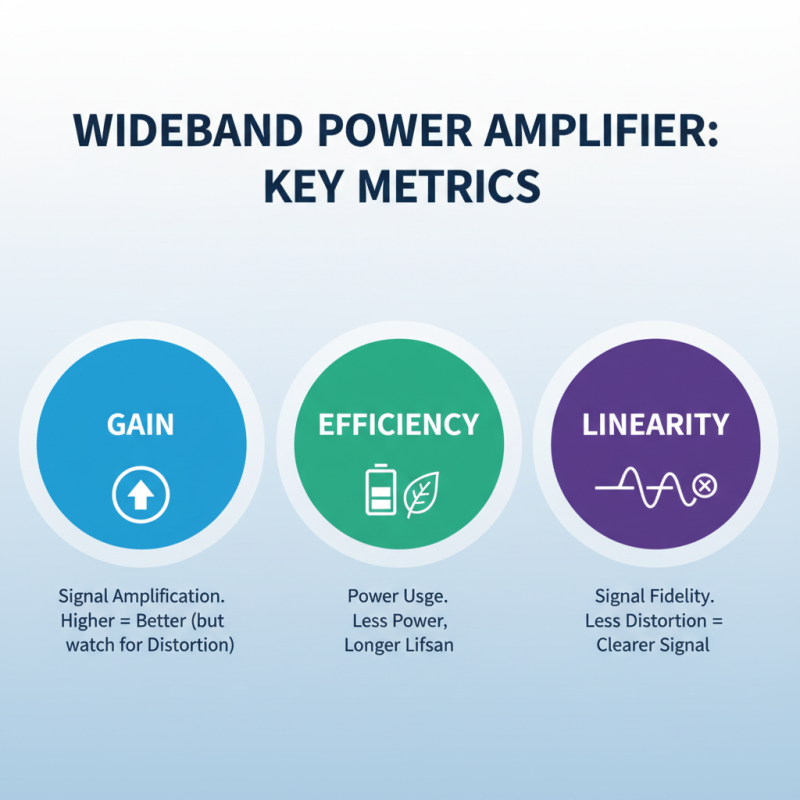
When selecting a wideband power amplifier, performance metrics such as gain, efficiency, and linearity are crucial. Gain indicates how much the amplifier can increase the power of a signal. Higher gain usually means better performance, but it can lead to distortion if not managed properly. Efficiency is equally important. A more efficient amplifier uses less power to deliver the same output. This not only saves energy but also extends the lifespan of the device.Linearity is another key metric. It measures how accurately the amplifier processes the input signal without introducing unwanted harmonics. Poor linearity can result in signal distortion, which can significantly affect the quality of the output. Always analyze the linearity specifications against your application needs.**Tip:** When assessing gain, look for a balance. Too much gain can lead to poor performance.**Tip:** For efficiency, consider amplifiers with lower thermal output. They often handle power surges better.Finding the right balance among these metrics can be challenging. Regularly review and test your setup to ensure optimal performance. Don’t hesitate to go back to the specifications if things don’t seem right.
Evaluating Frequency Range and Bandwidth for Your Needs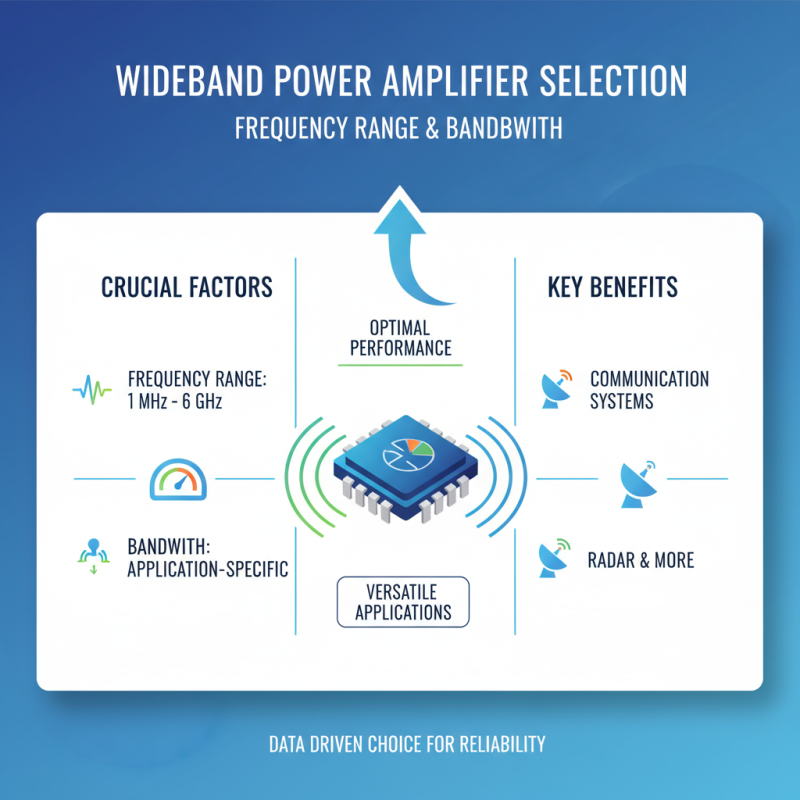
Choosing the right frequency range and bandwidth is crucial when selecting a wideband power amplifier. A well-defined frequency range ensures the amplifier can handle specific applications without unnecessary loss. Data suggests amplifiers that operate effectively between 1 MHz to 6 GHz cater to a broad spectrum of needs, from communication systems to radar.Bandwidth affects the amplifier’s performance significantly. A wider bandwidth usually means better versatility. Some reports highlight that amplifiers with greater than 40% bandwidth can accommodate both narrowband and wideband signals. This is essential in today’s fast-paced technology landscape, where signal diversity is common. However, amplifiers with extreme bandwidth may suffer from distortion, which can be problematic in critical applications.Evaluating your application needs is vital. For instance, if your focus is on high-frequency communications, you may prioritize amplifiers that excel within the 2-4 GHz range. On the other hand, if radar performance is key, considerations shift. Selecting the wrong frequency range or insufficient bandwidth limits your system’s potential. Balance is crucial. Achieving the optimal setup requires careful analysis and sometimes compromises. This can lead to oversights and regrets if not thoroughly examined.
Comparing Different Types of Wideband Power Amplifiers
When comparing different types of wideband power amplifiers, it’s essential to consider their applications. Some amplifiers excel in handling large bandwidths, while others might focus on efficiency. Knowing your requirements can help narrow down the options available.For instance, Class A amplifiers provide linear amplification. They have excellent signal fidelity but are less efficient. In contrast, Class C amplifiers are known for higher efficiency but can introduce distortion. Depending on your use case, choose what fits best.**Tip:** Always check the frequency range. An amplifier should match the operating frequencies of your devices.Another type is the linear amplifier, which maintains signal integrity. This is vital for communication applications. Conversely, switching amplifiers offer efficiency for power-sensitive devices. Balancing performance and efficiency is key.**Tip:** Assess your power requirements. Over-specced amplifiers can waste energy and increase costs. Make sure to define your power needs clearly.Remember, not every amplifier will fit every project. Assessing your exact requirements can lead to better choices. Experimentation is part of the process. You might face unforeseen challenges, but troubleshooting is where real learning happens.
How to Choose the Best Wideband Power Amplifier for Your Needs?
| Type | Frequency Range (GHz) | Gain (dB) | Output Power (W) | Efficiency (%) |
|---|---|---|---|---|
| Class A | 0.5 – 6 | 10 – 15 | 1 – 5 | 25 |
| Class AB | 0.7 – 5 | 12 – 20 | 5 – 10 | 50 |
| Class C | 1 – 10 | 8 – 12 | 10 – 20 | 60 |
| GaN Amplifiers | 0.5 – 18 | 15 – 30 | 20 – 100 | 75 |
| SiGe Amplifiers | 0.1 – 10 | 10 – 20 | 1 – 10 | 35 |
Assessing Thermal Management and Reliability Considerations
Thermal management and reliability are critical when choosing a wideband power amplifier. Poor thermal design can lead to efficiency losses. According to a recent study, over 30% of amplifier failures are due to inadequate heat dissipation. Effective cooling mechanisms can increase lifespan and performance. It is crucial to assess heatsink designs or active cooling methods when evaluating amplifiers.Manufacturers often overlook component reliability. High temperatures can accelerate wear on electronic components. Research shows that semiconductor devices can degrade by 50% for every 10°C increase in temperature. This data highlights the importance of maintaining optimal operating conditions. Users should examine ratings for maximum junction temperatures and thermal resistance in datasheets.Implement a systematic approach to evaluate the thermal capabilities of amplifiers. Pay close attention to user experiences and reviews about thermal performance. It’s essential to learn from past generations of amplifiers that faced thermal issues. Consider both environmental factors and operational conditions. Being informed can lead to better decision-making and long-term satisfaction.
Performance Comparison of Wideband Power AmplifiersBudgeting for Your Wideband Power Amplifier Purchase and Upgrades
When budgeting for a wideband power amplifier, several factors come into play. Consider the specifications you need, such as frequency range and output power. Prices can vary significantly based on these features. A basic model may cost less, but can it meet your performance criteria? It’s essential to evaluate what you truly need versus what is available on the market.Set aside funds for potential upgrades. Once you own an amplifier, you might want to enhance its capabilities. More advanced filters or additional modules can add value. However, think carefully about the cost versus the benefit. Will the upgrade actually improve your setup? Reflect on your needs regularly; technology evolves quickly.Don’t forget about hidden costs. Installation, maintenance, and even power consumption can add up. List everything in your financial plan. Unexpected expenses can derail your entire budget. If you’re not careful, your perfect amplifier might end up being a financial burden instead of an asset.
Conclusion
When selecting a Wideband Power Amplifier, it is crucial to understand its functionalities and diverse applications across various industries. Key specifications, including gain, efficiency, and linearity, should be carefully evaluated to ensure optimal performance. Analyzing the frequency range and bandwidth is essential to match your specific requirements effectively.Additionally, comparing different types of Wideband Power Amplifiers can provide insight into which model suits your needs best. Thermal management and reliability are significant factors, as they affect the amplifier’s longevity and performance under continuous operation. Lastly, budgeting for the purchase and potential upgrades of a Wideband Power Amplifier must be considered to ensure a successful investment in your projects.
About us
Mars RF is the best manufacturer of high power RF amplifier module & subsystem in China due to its more than 20 years experience in design, development, production and supply of RF and microwave products. Mars RF now has more than 200 employees and more than 45,000 square meters( approximately 484,380 ft²) self-owned manufacturing base.
Media Contact
Company Name: Mars RF
Contact Person: Media Relations
Email: Send Email
Country: China
Website: https://www.marsrf.com/


