
Quincy Bathroom Remodel Shares 7 Decisions Homeowners Should Make Before Starting a Bathroom Renovation
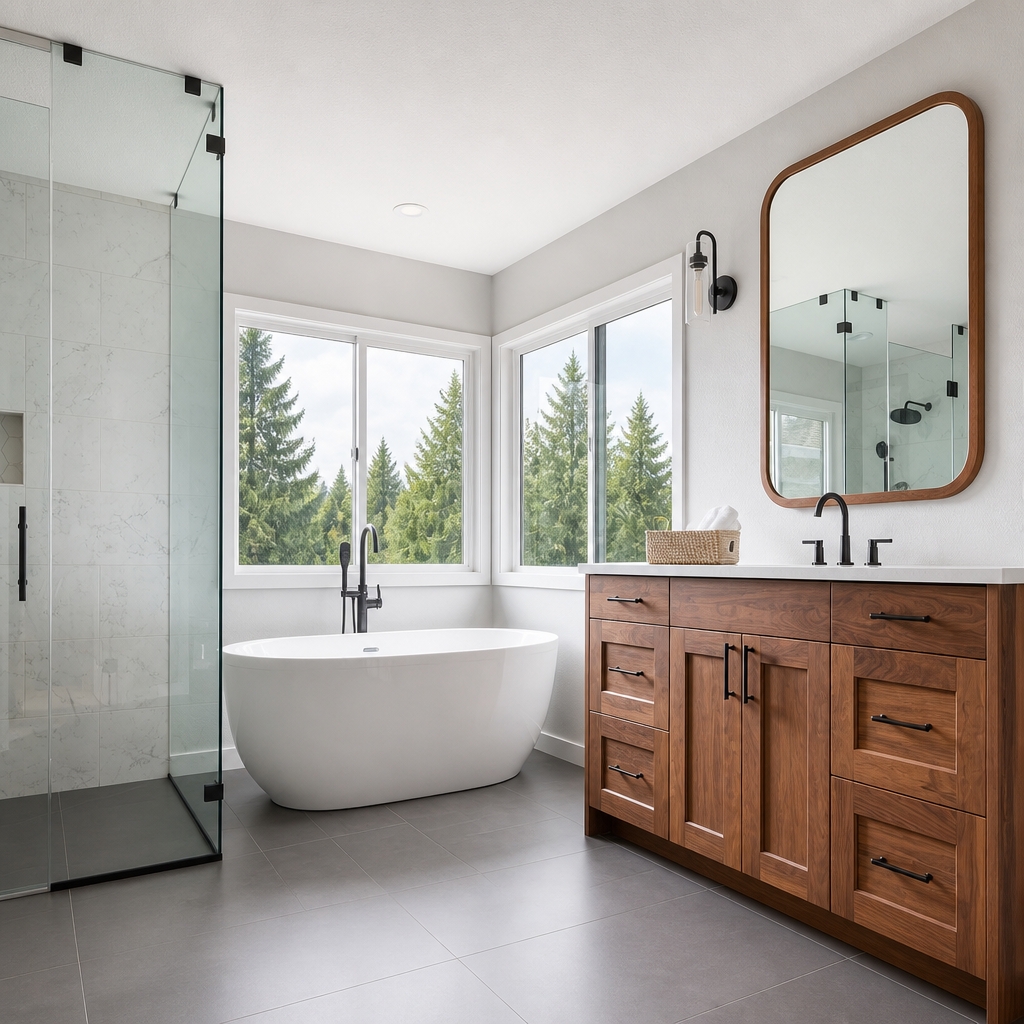
Quincy, MA – October 6, 2026 – A successful bathroom renovation often begins well before demolition. Quincy Bathroom Remodel is encouraging local homeowners to make several important decisions during the planning stage, helping establish a clearer project scope before selecting fixtures, tile, cabinetry, and other finishes.
Founded in 2011 and owned by Gabriel Younge, Quincy Bathroom Remodel provides bathroom remodeling services in Quincy and surrounding Massachusetts communities. The company specializes in Bathroom Remodel, Bathroom Design, Bathtub Installation, and Tile Installation, helping homeowners plan renovations around the condition, dimensions, and everyday requirements of their existing spaces.
The first decision is what the renovation actually needs to accomplish. Homeowners may want to replace aging materials, improve storage, create a more practical shower area, update an inefficient layout, make surfaces easier to maintain, or simply modernize a dated room. Defining those priorities early can help guide the rest of the project.
“Homeowners can make dozens of individual choices during a bathroom renovation, but those choices become easier when the main priorities are established first,” said Gabriel Younge, owner of Quincy Bathroom Remodel. “The starting point should be understanding what isn’t working in the existing bathroom and what the homeowner wants the new space to do better.”
The second decision involves whether the existing layout should remain or change. Moving major fixtures can affect plumbing, electrical work, flooring, walls, and the overall project scope. In some bathrooms, retaining the general arrangement while improving individual features may be practical. In others, a revised layout may make significantly better use of the available space.
Thoughtful Bathroom Design should therefore account for more than appearance. Clearances, walking space, door movement, storage, lighting, fixture placement, ventilation, and how household members actually use the room can all influence the final plan.
The third decision is how to establish and prioritize the budget. Rather than considering only visible products, homeowners should account for the broader renovation. Preparation, plumbing, electrical work, waterproofing, cabinetry, fixtures, surfaces, labor, and conditions discovered after older materials are removed can all affect project requirements.
Establishing essential features separately from optional upgrades can make budgeting more manageable. Homeowners can determine where they want to prioritize spending and where simpler selections may still accomplish the project’s goals.
The fourth decision is whether the bathroom should include a bathtub, shower, or both. Available space, household routines, accessibility preferences, and long-term plans can all influence this choice.
When Bathtub Installation is part of the project, homeowners should evaluate the dimensions of the tub as well as plumbing locations, entry and exit space, surrounding surfaces, storage, and how the fixture relates to the rest of the room. Choosing a tub based only on appearance can create complications if its size or configuration does not work efficiently within the existing bathroom.
The fifth decision involves tile and other surface materials. Bathrooms routinely encounter water, humidity, cleaning products, and frequent foot traffic, so material selection should balance visual preferences with durability and maintenance.
For Tile Installation, homeowners should consider more than color and pattern. Tile dimensions, surface texture, grout selection, substrate preparation, waterproofing requirements, and whether a particular material is appropriate for floors or wet areas can all influence the finished installation.
The sixth decision is how much storage and lighting the bathroom needs. These elements can sometimes receive less attention than showers, tubs, or tile even though they strongly influence everyday usability.
Vanities, medicine cabinets, recessed storage, shelving, and other solutions can be planned around what the household actually needs to store. Similarly, combining general lighting with appropriate vanity and task lighting can create a more functional space than relying on a single fixture.
Ventilation should be evaluated at the same stage. Bathrooms generate substantial moisture, particularly around showers and tubs. Appropriate ventilation can help manage humidity and should be considered as part of the overall renovation rather than as an afterthought.
The seventh decision is how the bathroom should function several years from now. A renovation is an opportunity to consider not only current preferences but also future usability. Ease of cleaning, storage access, shower entry, lighting, fixture placement, and available maneuvering space can all influence how practical the room remains over time.
Quincy homeowners should also consider the condition of the existing bathroom before finalizing every detail. Once older fixtures, flooring, or wall materials are removed, previous moisture exposure, deteriorated subfloors, aging plumbing, or earlier repairs may become visible.
Not every renovation reveals hidden problems, but allowing some flexibility in the plan can help homeowners respond appropriately if existing conditions require additional work.
A complete Bathroom Remodel connects all seven decisions. Changing the layout can affect plumbing and flooring; selecting a different bathtub or shower can influence tile and storage; cabinetry choices can affect electrical placement and lighting. Planning these elements together can help create a more coordinated project.
For Massachusetts homeowners, fall can also provide a practical opportunity to focus on interior improvements as colder weather approaches. Homeowners considering a renovation can use the season to evaluate their existing bathroom, establish priorities, compare materials, and develop a clearer project plan.
Quincy Bathroom Remodel recommends beginning the process with the problems the homeowner wants to solve rather than with individual products. Once those objectives are defined, decisions involving layout, materials, fixtures, storage, lighting, and budget can be evaluated within the context of the entire room.
Quincy Bathroom Remodel continues to help homeowners throughout Quincy and surrounding communities plan bathroom renovations based on their properties, household needs, and individual design goals.
Homeowners considering an update to an existing bathroom can contact Quincy Bathroom Remodel in Quincy, Massachusetts to discuss bathroom design, installation, and remodeling options.
About Quincy Bathroom Remodel
Quincy Bathroom Remodel is a bathroom remodeling company based in Quincy, Massachusetts. Founded in 2011 and owned by Gabriel Younge, the company specializes in bathroom remodel, bathroom design, bathtub installation, and tile installation services for homeowners in Quincy and surrounding communities.
Media Contact
Company Name: Quincy Bathroom Remodel
Contact Person: Gabriel Younge
Email: Send Email
Phone: 857-232-2915
City: Quincy
State: MA
Country: United States
Website: https://www.quincybathroomremodel.com/


