
2026 Top Electrical Transformer Types Buyers Guide
Beijing, China – August 25, 2026 – Getting a grip on the different types of Electrical Transformers can be pretty tricky, especially with how fast the industry’s changing. If you’re not careful, you might overlook some key stuff. Like John Anderson from Power Solutions Inc., who’s pretty much an expert in this field, once said, “Picking the right electrical transformer can seriously boost your system’s efficiency and reliability.” It’s a good reminder that making an informed choice really makes a difference.Figuring out which transformer suits your needs isn’t always straightforward. There are so many options out there, and it’s easy to miss out on important factors. Each type has its own purpose—whether it’s for power distribution, signal transmission, or other specific applications. Choosing the right one isn’t just about a quick glance; it takes solid understanding and some practical know-how.Looking ahead to 2026, the market for electrical transformers is only going to get more interesting. So, if you’re in the industry, it pays to stay in the know about the latest tech and trends. Sure, there are plenty of guides out there, but this piece is here to help sharpen your understanding and give you the confidence to make smarter decisions. Just remember—what works in one plant might not be the best fit for another. So, always take a moment to think it through carefully.
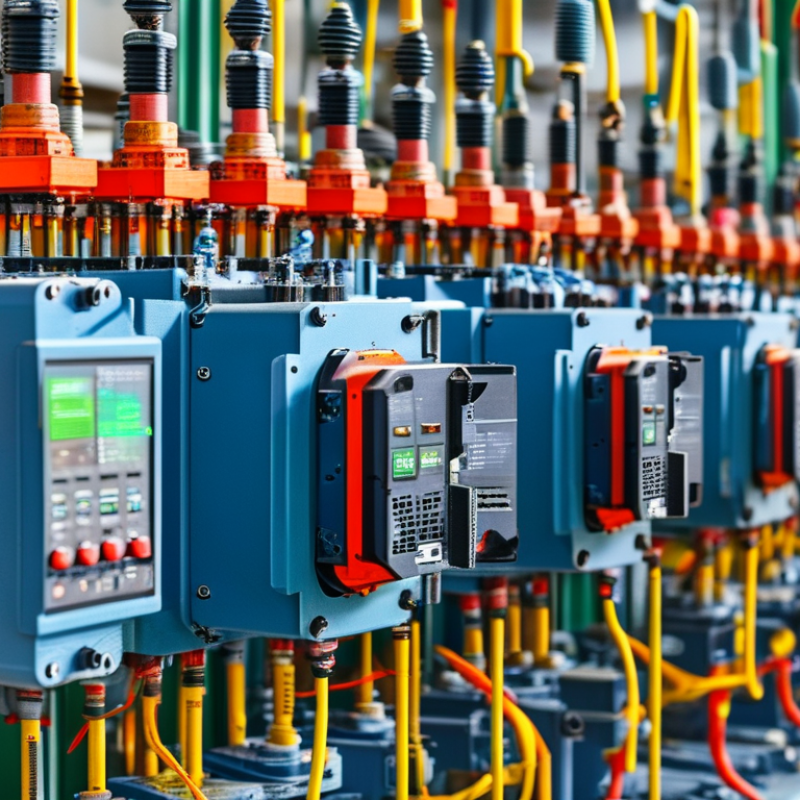
Overview of Electrical Transformers: Types and Applications
Electrical transformers play a crucial role in power distribution and management. They convert electrical energy from one voltage level to another, ensuring efficient transmission across long distances. Several types of transformers serve various applications, including step-up and step-down transformers. Step-up transformers increase voltage for transmission, while step-down transformers reduce voltage for safe use in homes and businesses.
Various transformer types, such as distribution, isolation, and autotransformers, cater to specific needs. Distribution transformers are typically used in residential areas to deliver power. Isolation transformers protect sensitive equipment from voltage spikes. Autotransformers, on the other hand, provide a simpler design with fewer materials but come with some drawbacks, such as reduced electrical isolation. Understanding these distinctions is vital for selecting the right transformer for a specific application.
Installation and maintenance require professional expertise to ensure reliability. Improper handling could lead to failures or safety hazards. Regular assessments and monitoring are essential to address any inefficiencies. Despite the advanced technology in transformer design, there is always room for improvement. Continuous research is ongoing to enhance performance and sustainability in transformer applications.
Key Specifications of Common Transformer Types: Power, Distribution, and Isolation
Understanding the key specifications of common transformer types is essential for buyers in 2026. Power Transformers are vital in transmitting high voltage electricity. They efficiently step down voltage levels for distribution. Look for ratings in megavolts and handling capacity. The efficiency of these transformers impacts energy loss during transmission.Distribution transformers play a crucial role in delivering electricity to businesses and homes. Their primary function is to lower voltage levels for safe consumption. When selecting a distribution transformer, consider the load requirements and location. Environmental factors, like temperature and humidity, can affect performance.Isolation transformers provide crucial electrical separation. They protect sensitive equipment from surges and noise. Their design prevents ground loops, enhancing safety and reliability. While they are beneficial, over-reliance on isolation transformers can lead to underestimating potential risks.Electrical Power Transformers are essential tools, but understanding their types and specifications is vital. Regularly review your needs and settings to ensure optimal performance. Each transformer’s design and function should match your specific requirements for best results.
Understanding Efficiency Ratings: Energy Loss and Load Factors in Transformers
Energy efficiency is crucial when selecting transformers. Understanding efficiency ratings helps you optimize energy usage. Transformers experience energy loss during operation, often due to heat dissipation. The load factor indicates how effectively a transformer is used. A lower load factor can mean higher energy waste, leading to increased operational costs.
For those exploring Current Transformer And Potential Transformer options, consider their efficiency ratings. Look for models with high ratings to minimize energy loss. Efficiency varies with load conditions. A transformer may perform well at full load but poorly at lower loads. Understand these dynamics to ensure better performance.
Evaluate the load demands carefully. It’s vital to choose a transformer that matches your specific needs. Oversized transformers can lead to inefficiencies. Regular maintenance also plays a role in sustaining efficiency. Avoid neglecting routine checks, as they help identify potential problems early. These small adjustments make a significant difference over time.
Market Trends: Increasing Demand for Compact and Lightweight Transformers
As market trends shift, the demand for compact and lightweight transformers is surging. This is driven mainly by the need for more efficient electrical systems. Industries seek solutions that not only perform well but also occupy less space. It’s a crucial factor as urban areas become more populated.Current Transformer and Potential Transformer designs have evolved significantly. Manufacturers focus on reducing size without compromising performance. The challenge lies in maintaining reliability amidst these changes. Compact transformers must withstand various environmental factors. This calls for meticulous engineering and testing processes.Tips: When considering purchasing transformers, think about the installation space. Ensure there is enough room for airflow and maintenance. Always consult with experts to understand the specific needs of your application. Evaluating weight and dimensions can help in selecting the right transformer for your project.
Technological Innovations: Smart Transformers and Their Industry Impact
The emergence of smart transformers marks a significant leap in electrical engineering. These devices incorporate advanced technology to monitor and manage power systems more efficiently. With real-time data collection, they enhance grid reliability and minimize downtime. Smart transformers can communicate with other devices and adapt to changes in demand instantly.Their impact on the industry is profound. By optimizing energy flow, they significantly reduce operational costs. However, the integration of these technologies can pose challenges. Not all infrastructures are equipped to support smart transformers. Aging systems may require substantial upgrades, leading to high initial investments. The question of interoperability also arises, as different manufacturers may use varied communication protocols.As industries adopt these innovations, the learning curve can be steep. Education and training are essential to maximize the benefits. Engineers and technicians must be equipped with updated skills for effective operation. Some companies rush into implementation but face unforeseen hurdles. A gradual, well-planned approach could yield better results. Balancing innovation with practical execution remains a critical focus for the future of power distribution.
2026 Top Electrical Transformer Types Buyers Guide
| Transformer Type | Voltage Rating (kV) | Power Rating (MVA) | Typical Application | Technology Type |
|---|---|---|---|---|
| Conventional Transformer | 69 – 765 | 10 – 500 | Utility Power Distribution | Traditional |
| Smart Transformer | 10 – 35 | 1 – 10 | Renewable Energy Integration | Innovative |
| Distribution Transformer | 1 – 35 | 0.1 – 5 | Residential and Commercial Use | Traditional |
| Auto Transformer | 0.4 – 220 | 1 – 100 | Industrial Applications | Traditional |
| Phase-Shifting Transformer | 10 – 400 | 25 – 1000 | Load Balancing | Innovative |
Cost Analysis: Comparing Purchase Prices and Lifecycle Costs of Transformers
When considering electrical transformers, cost analysis is crucial. The purchase price often represents only a small fraction of the total lifecycle cost. A study from the International Energy Agency (IEA) indicates that operational costs can account for up to 70% of the total expenditure over 20 years. This illustrates the importance of evaluating transformers, such as Current Transformer And Voltage Transformer, beyond the initial investment.
Moreover, maintenance is another significant factor in lifecycle analysis. According to a report from the National Electric Manufacturers Association (NEMA), effective maintenance can reduce failure rates by nearly 40%. This means that while low-cost options are tempting, they may lead to higher expenses over time. High-quality transformers tend to have better efficiency ratings, contributing to lower energy costs.
The initial costs of transformers can vary widely. For instance, a basic transformer may cost between $5,000 and $15,000, while high-performance models can exceed $50,000. It’s essential to balance upfront costs with long-term savings. A poorly chosen transformer might save money now, but that choice could lead to costly repairs or energy losses later. Thus, an in-depth cost analysis considering purchase prices and lifecycle costs becomes an imperative for buyers in the evolving electrical landscape.
Maintenance Considerations: Best Practices for Transformer Longevity and Reliability
Proper maintenance of electrical transformers is crucial for longevity and reliability. According to the Electrical Power Research Institute, inadequate maintenance can lead to a 25% reduction in transformer lifespan. Regular inspections should focus on cooling systems, insulation integrity, and overall physical condition. Monitoring temperature and humidity levels inside transformer enclosures is essential. Keeping these factors in check can prevent overheating, a common cause of failures.Also important is the management of oil levels. The insulating oil used in transformers should be tested every year. Laboratory analysis can reveal moisture levels, acidity, and other contaminants. Studies indicate that 60% of transformer failures are linked to compromised insulating oil. Addressing these variables can extend operational life significantly.Incorporating advanced monitoring technology, such as thermal imaging and partial discharge detection, enhances reliability. These tools provide real-time data, allowing for proactive maintenance actions. The failure to adopt such technology can lead to unexpected outages and costly repairs. Developing a structured maintenance schedule that incorporates these practices is key to achieving optimal transformer performance.
Designing a Dependable CD-Type Power Transformer for Efficient and Reliable Power Distribution Systems
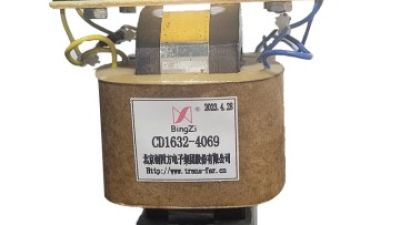
CD-Type Power Transformer for Reliable Power Distribution
In the ever-evolving landscape of power distribution systems, the design and reliability of CD-type power transformers are paramount. These transformers have emerged as critical components, providing a dependable solution for efficient energy transfer. A recent industry report highlights that adopting advanced materials and design strategies can enhance electromagnetic performance, allowing for superior versatility and interchangeability. This is crucial in eliminating stray magnetic fields, which can lead to significant energy losses and operational inefficiencies.The new generation of CD-type power transformers is designed with features that optimize performance beyond standard expectations. The transformers offer tailored input and output characteristics, enabling customization based on user requirements, which is essential for diverse applications in various industries. Furthermore, the efficient coil cooling surface contributes to improved thermal management, ensuring the transformer operates within optimal temperature ranges, thus extending its life cycle. The transformer’s winding leads can be configured for different installation settings, accommodating solder, terminals, or connectors, promoting flexibility in deployment.Additionally, robust insulation treatment processes, including vacuum impregnation and sealing end treatment, enhance the durability and reliability of these transformers. According to recent data, effective insulation techniques can drastically reduce failure rates and improve the longevity of power distribution systems. By focusing on these innovative design elements, the latest CD-type power transformers not only meet but exceed the growing demands for reliable and efficient electrical systems in today’s industrial and commercial environments.
Conclusion
The article “2026 Top Electrical Transformer Types Buyers Guide” provides a comprehensive overview of various electrical transformers, highlighting their types and applications in different industries. It delves into the key specifications of common transformer types such as power, distribution, and isolation transformers, emphasizing their unique characteristics. Furthermore, the guide explains efficiency ratings, addressing energy loss and load factors that affect transformer performance.Market trends indicate a growing demand for compact and lightweight transformers, driven by advancements in technology. The emergence of smart transformers is reshaping the industry, offering enhanced functionality and monitoring capabilities. Additionally, the article presents a cost analysis comparing purchase prices and lifecycle costs, crucial for informed decision-making. Lastly, it discusses maintenance considerations, offering best practices aimed at ensuring the longevity and reliability of electrical transformers.
About us
Beijing TransFar Electronics Group Co., Ltd. is a high-tech enterprise specializing in the research, design, production, sales, and service of new energy current/voltage sensors, new energy reactors/special transformers, small precision electromagnetic components, EV AC & DC charging piles, AC/DC converters, DC-/DC converters , open-frame switching power supplies, and enclosed switching power supplies.
Media Contact
Company Name: Beijing TransFar Electronics Group Co., Ltd.
Contact Person: Media Relations
Email: Send Email
Country: China
Website: https://www.transfarelectronics.com/


