
6063-T5 Aluminum Alloy: Why Is It the Standard Material for Commercial Tent Frames?
If you have been in the commercial tent industry for a while, you have definitely come across the name “6063-T5.” It appears on supplier quotes, on product specification sheets, and in competitors’ marketing copy. But few people actually explain clearly: why is it 6063-T5, and not some other aluminum alloy, that has become the standard material for commercial tent frames?
The answer is not that it is the strongest — in fact, 6061-T6 has higher strength. Nor is it the cheapest — there are even lower-cost steel options on the market. The reason 6063-T5 has become the industry’s default choice is that it strikes a balance between strength, weight, corrosion resistance, workability, and cost — a balance that other materials find hard to match.
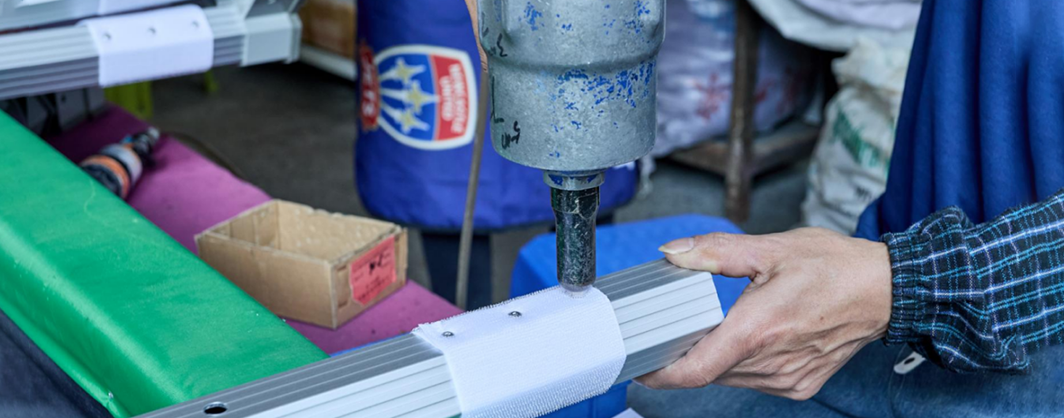
Part 1: What Is 6063-T5?
6063 is an aluminum alloy grade in the Al-Mg-Si (aluminum-magnesium-silicon) series. The key feature of this series is that it achieves good strength through heat treatment while maintaining excellent plasticity and workability.
The “T5” refers to the temper designation — specifically, solution heat-treated, cooled, and artificially aged. In simpler terms, the heat treatment allows the alloying elements to precipitate uniformly within the aluminum matrix, thereby increasing the material’s strength and hardness.
Compared to T6, T5 uses slower cooling (air quenching vs. water quenching), resulting in slightly lower strength, but also lower production costs and less distortion. For tent frame applications where “good enough” is exactly what is needed, T5 is the most economical and sensible choice.
Part 2: Mechanical Properties — Good Enough Is the Best
According to material data, 6063-T5 has a tensile strength of approximately 186 MPa, a yield strength of about 145 MPa, and an elastic modulus of roughly 68.9 GPa.
What do these numbers mean in practice?
A single upright can support 800–1200N of load
The frame can withstand winds of up to force 8–10
Density is only 2.7g/cm³, much lighter than steel
Compared to 6061-T6 (with a tensile strength of about 310 MPa), 6063-T5 is indeed about 40% weaker. But a tent frame does not need “maximum” strength — it needs “sufficient” strength. A tensile strength of 186 MPa is already more than enough for a commercial tent. It does not need to hold up a skyscraper; it only needs to stay steady in the wind, hold firm in the rain, and withstand repeated setup and takedown without fatigue.
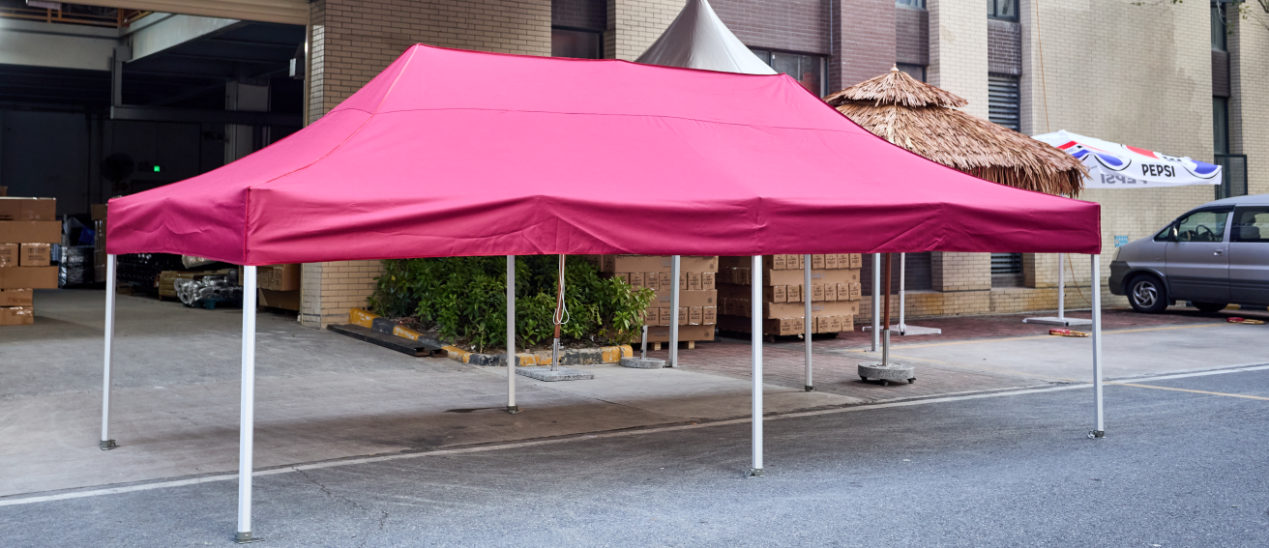
Part 3: Why Does the Tent Industry Favor 6063-T5?
The material requirements for tent frames are actually quite demanding: it needs to be light (for transport and handling), corrosion-resistant (for long-term outdoor exposure), visually appealing (brands want a quality look), and easy to work with (for extrusion of complex cross-sections, welding, and drilling). 6063-T5 checks every box:
Lightweight — With a density only one-third that of steel, one person can carry a complete frame, and shipping costs are significantly reduced.
Excellent corrosion resistance — 6063 aluminum naturally forms a dense oxide layer on its surface in atmospheric environments, providing adequate protection against everyday outdoor exposure even without additional treatment.
Superior anodizing performance — This is a key advantage of 6063 over many other aluminum alloys. It takes anodizing extremely well, producing a uniform, attractive surface finish. After anodizing, the frame has both a metallic appearance and an extra protective layer.
Good workability — 6063 is a typical extrusion alloy. It can easily be extruded into complex cross-sectional profiles. The hexagonal tubes, square tubes, and custom-shaped profiles commonly used in tent frames can all be extruded in a single pass, with high precision and efficiency.
Excellent weldability — 6063-T5 has good weldability. In fact, among the Al-Mg-Si alloys, it is the only one with no known susceptibility to stress corrosion cracking. Even after welding, its corrosion resistance does not degrade significantly.
Taken together, these five characteristics seem almost tailor-made for commercial tent applications. No other material can simultaneously deliver light weight, durability, visual appeal, and workability — which is precisely what makes 6063-T5 irreplaceable.
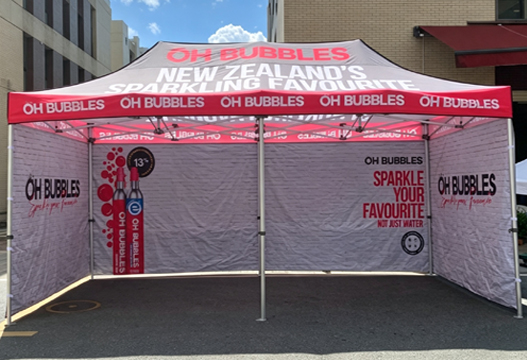
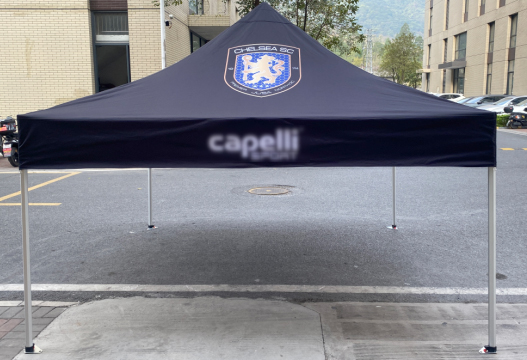
art 4: T5 vs. T6 — Which One to Choose?
Some customers ask: “Why not just use T6? Isn’t higher strength better?”
The answer depends on the application.
|
Comparison |
6063-T5a |
6061-T6 |
|
Tensile Strength |
186 MPa |
~310 MPa |
|
Yield Strength |
145 MPa |
~275 MPa |
|
Cost Lower |
Lower |
Higher |
|
Processing Difficulty |
Lower |
Higher |
Typical Applications Tent frames, architectural profiles Aerospace, mechanical structures, heavy loads
For most commercial tents — event tents, exhibition tents, promotional tents — T5’s performance is more than adequate. Paying 20–30% more for strength you will never fully utilize does not make good business sense.
Only in extreme environments (such as polar regions or persistently windy areas) or for very large spans (such as clearspan structures over 20 meters) would T6 or even higher-strength materials become necessary.
Closing
6063-T5 is not the strongest aluminum alloy — 6061-T6 is stronger, and 7075 is stronger still. But it is the alloy best suited for commercial tents.
Between strength, weight, corrosion resistance, processing cost, and surface finish, 6063-T5 strikes a balance that other materials struggle to achieve. That is precisely why it has become the industry standard — not because it is the best, but because it is the right choice.
The next time you see a commercial tent frame, chances are it is made of 6063-T5. That is not a coincidence — it is a market‑proven decision.
Final Thoughts
Explore Our Top Sellers
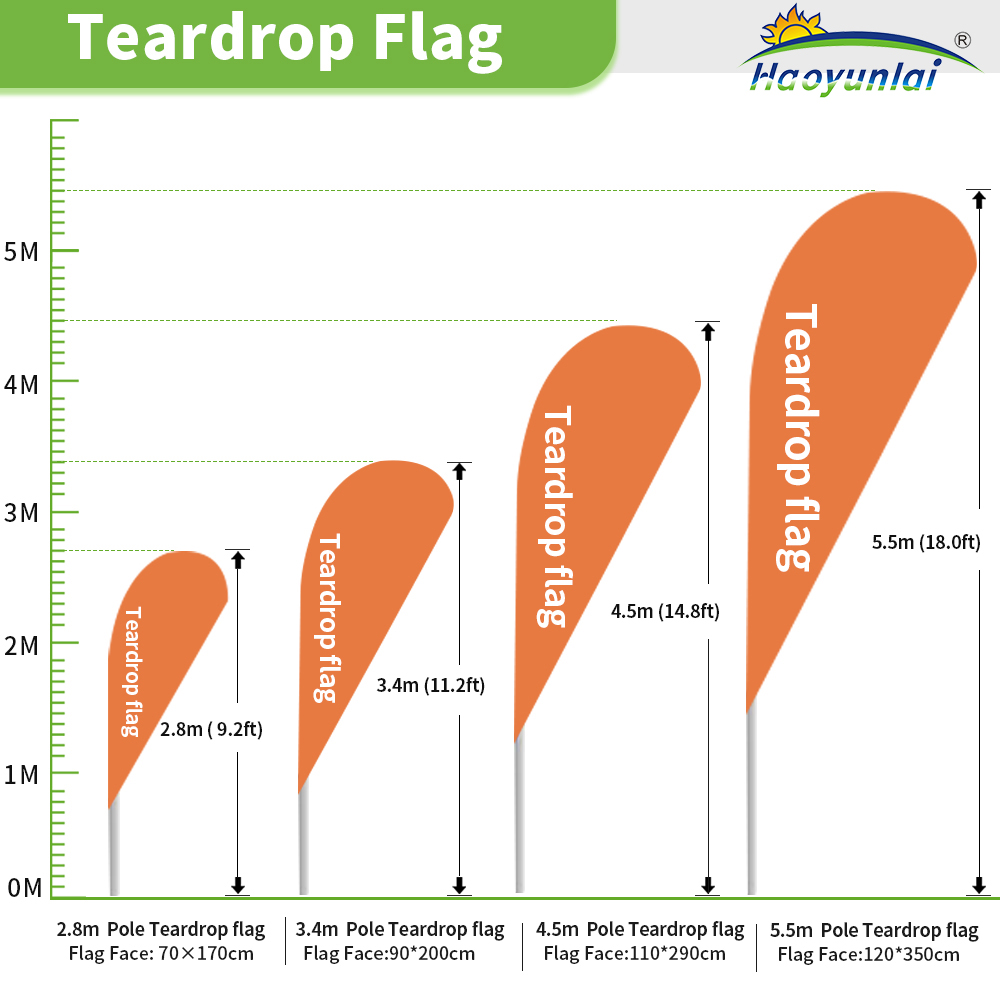
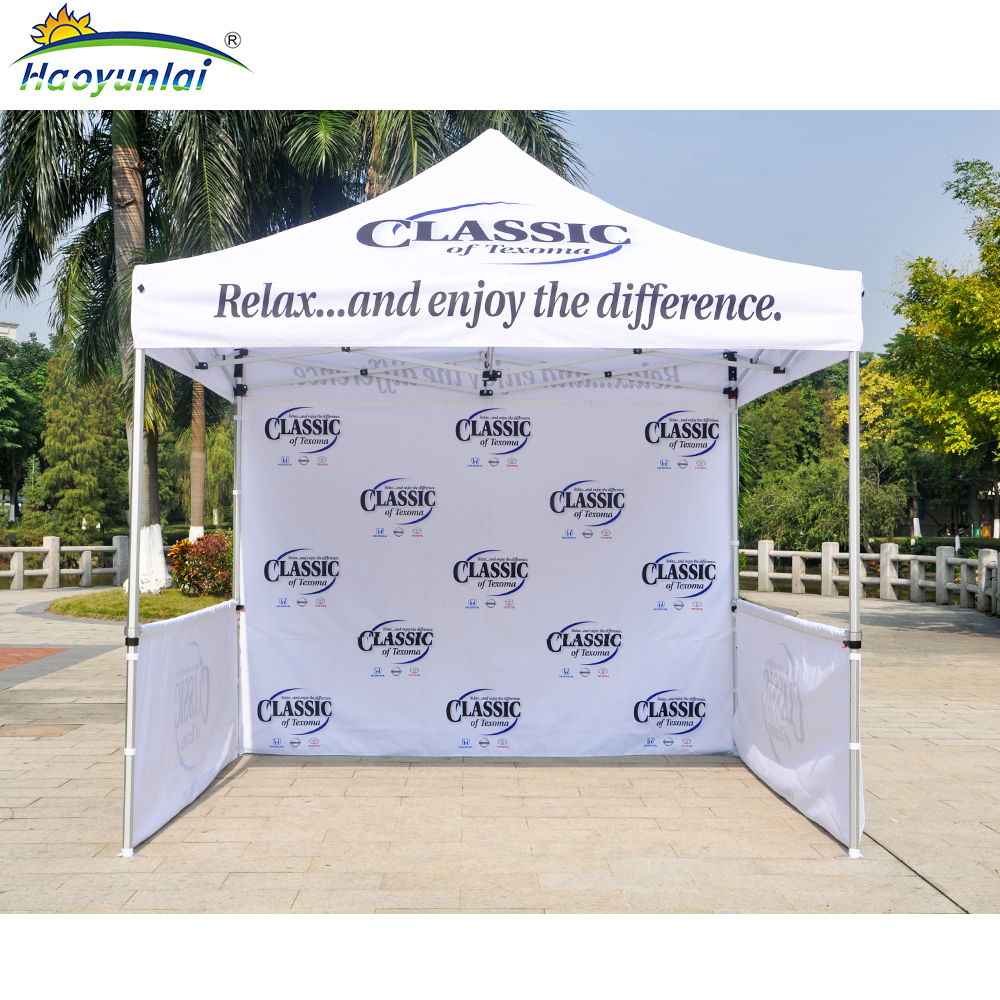
Promotional 40mm Hex Sport Event Tent
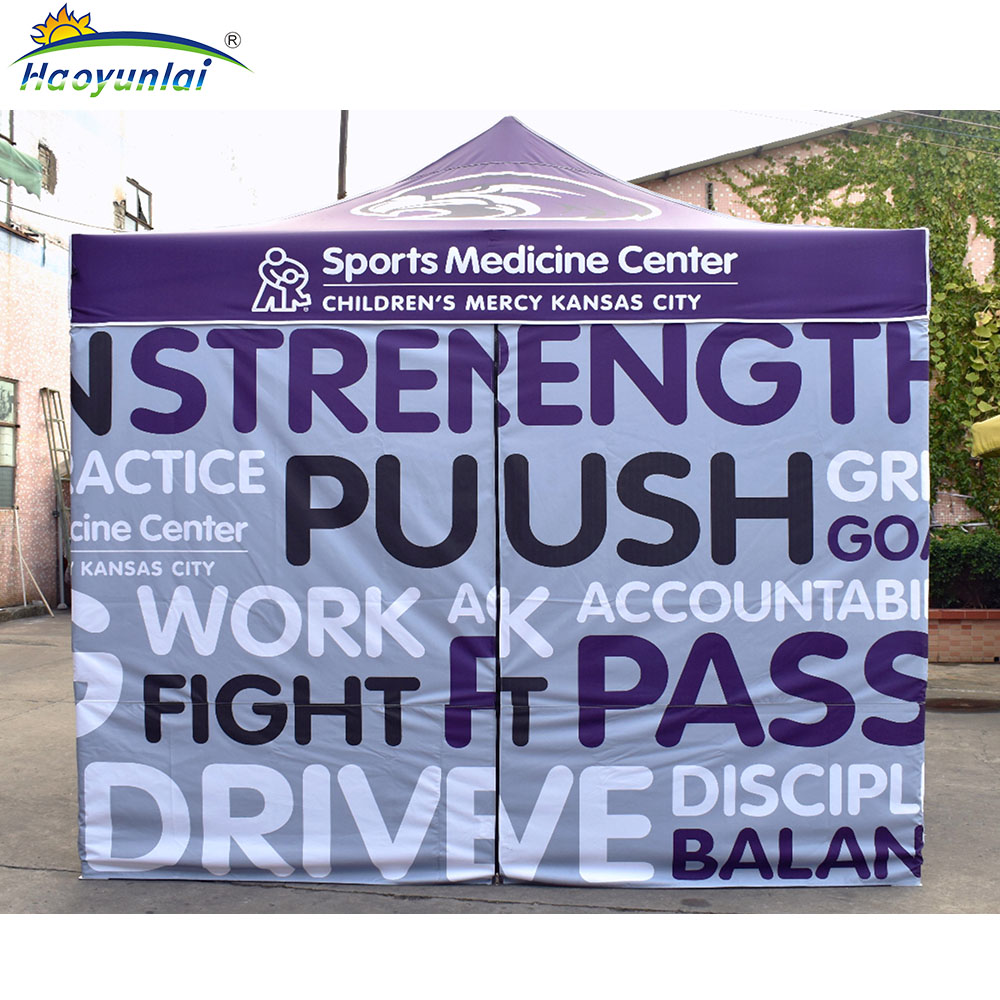
Racing Canopy – Waterproof 40mm Hex Iron SportEvent Tent
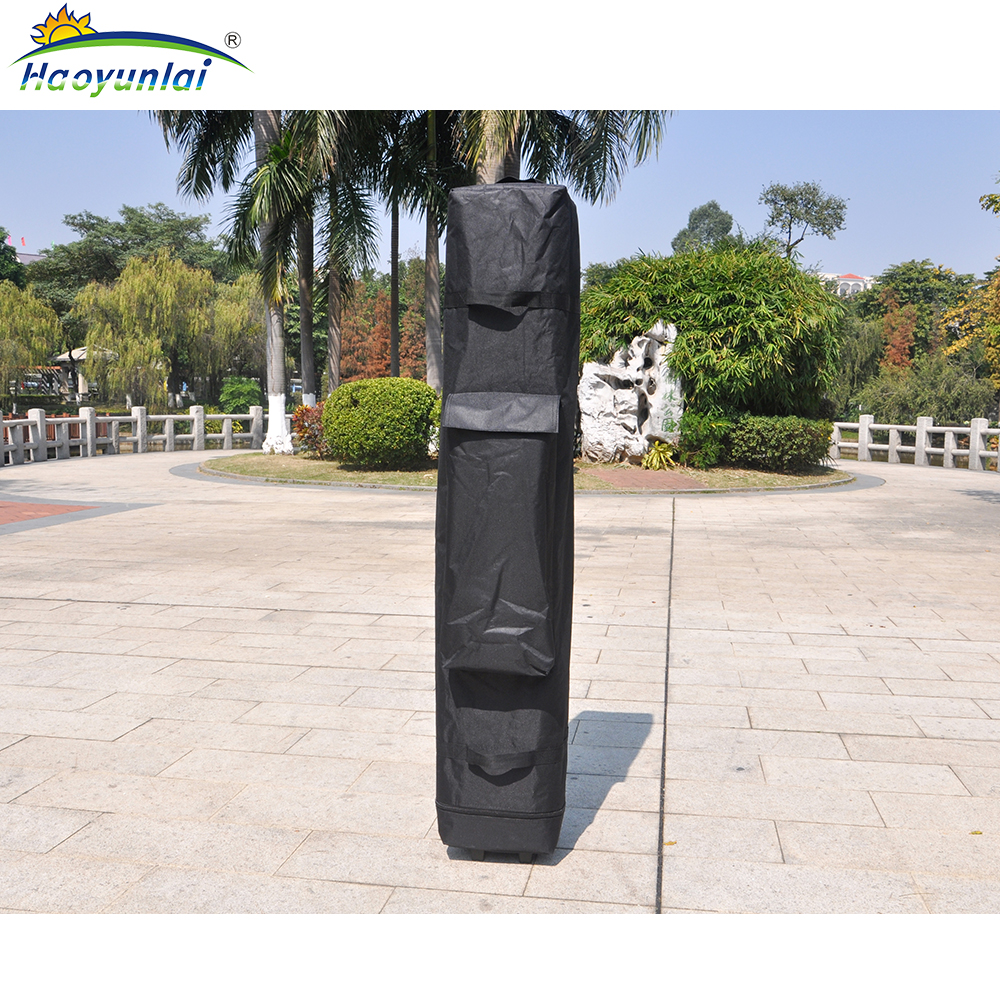
1680D Oxford Zipper Wheeled Carry Bag
Media Contact
Company Name: Foshan Goodluck Tent And Outdoor Products Co., Ltd.
Email: Send Email
Country: China
Website: https://v6-1rep4.globalso.site/


