
CPAI-84 Flame Retardant Standard: How to Quickly Verify if a Tent Fabric Meets the Requirement?
For tents exported to North America — whether for sports events, promotional campaigns, or trade shows — flame retardancy is a critical safety requirement that cannot be overlooked.
In the North American market, the most widely recognized flame retardant standard for tents and related outdoor products is CPAI-84, issued by the Industrial Fabrics Association International (IFAI). Understanding this standard not only helps you demonstrate product professionalism, but also gives you confidence when customers ask about fire safety.
What Is CPAI-84?
CPAI-84 sets different testing methods and acceptance criteria for different parts of a tent:
Flooring material – subjected to a horizontal burn test. A methanamine tablet is used as the ignition source, and flame spread is observed. The acceptance criteria require that the char length does not exceed 72mm for all samples — whether as‑received, water‑leached, or aged.
Wall and top material – subjected to a more stringent vertical burn test. A methane flame (38mm high) is applied to the bottom edge of the sample for 12 seconds. The criteria include afterflame time (≤4 seconds for any single specimen, ≤2 seconds average) and char length.
The standard requires samples to be water‑leached and aged before testing, to verify that the flame‑retardant effect remains durable over time and exposure.
How Can Customers Test It Themselves?
Laboratory testing is the formal basis for certification, but customers can perform a simple on‑site flame test to get a quick indication before accepting a shipment or during routine quality checks.
Here is the typical procedure:
Prepare a sample – cut a small piece of fabric, approximately 20–30cm in length.
Secure the sample – clamp it vertically using a metal clip or holder.
Apply the flame – use a lighter to bring the flame into contact with the bottom edge of the fabric for about 2–5 seconds.
Observe – remove the flame and watch how the fabric reacts.
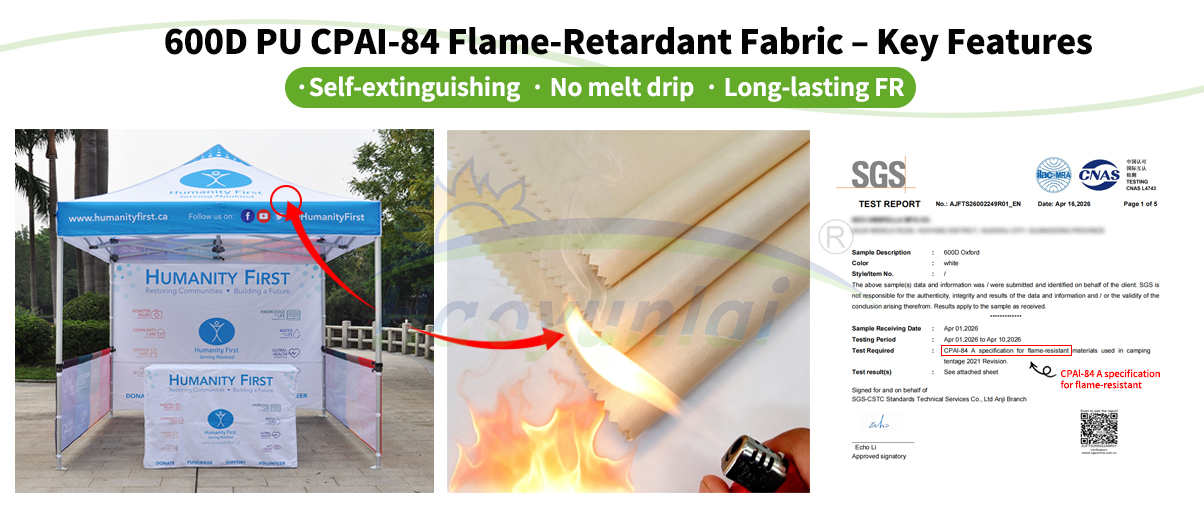
The above is our test report for the 600D PU CPAI‑84 flame‑retardant fabric. If you are interested, feel free to contact us for a quotation!g
How to interpret the result:
Flame‑retardant fabric – difficult to ignite; after the flame is removed, the fire extinguishes quickly (self‑extinguishing); does not melt or drip; forms a stable carbonized layer.
Non‑flame‑retardant fabric – ignites easily; continues to burn persistently after the flame is removed; flame spreads rapidly; may melt or drip.
- Important reminder: This test is only a quick screening method and cannot replace formal laboratory test reports required for compliance certification..
Closing
CPAI‑84 is a benchmark for the North American tent market. Understanding it helps you maintain better quality control, and knowing a simple on‑site screening method gives you practical confidence when discussing flame retardancy with customers. If you have any questions about fabric testing or certification, feel free to reach out.
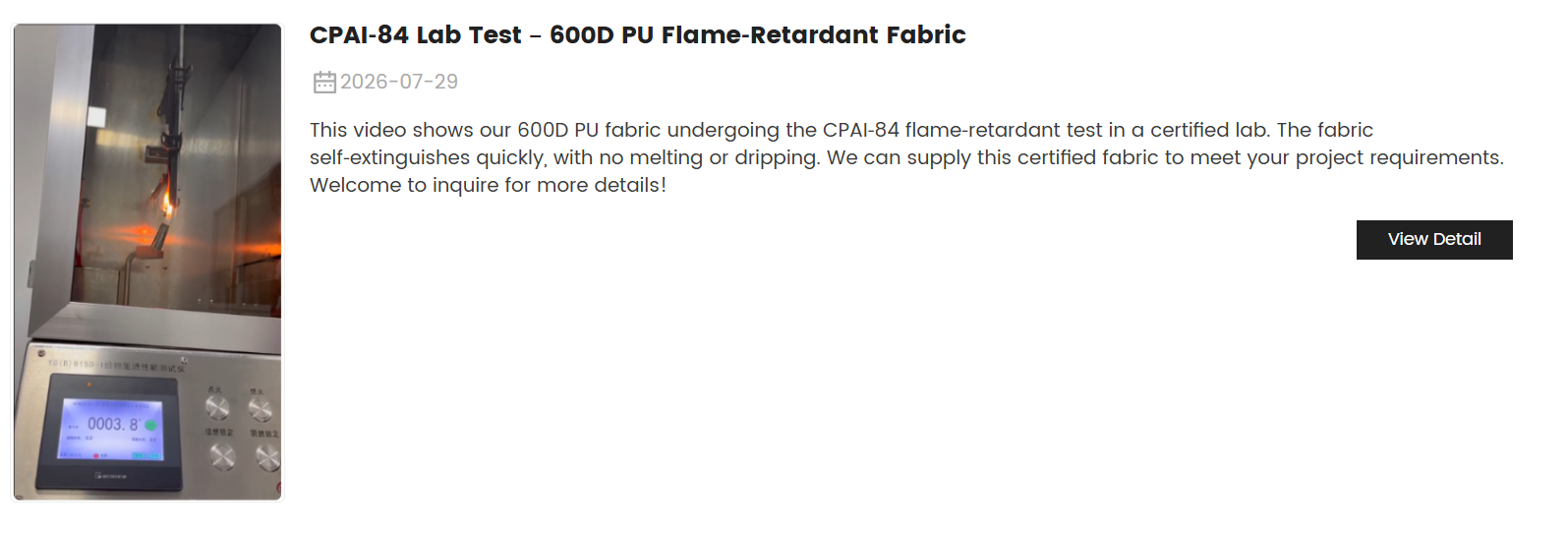
For a more detailed flame retardant test demonstration, click here to visit our video section: /videos/cpai-84-lab-test-600d-pu-flame-retardant-fabric/
Final Thoughts
Explore Our Top Sellers
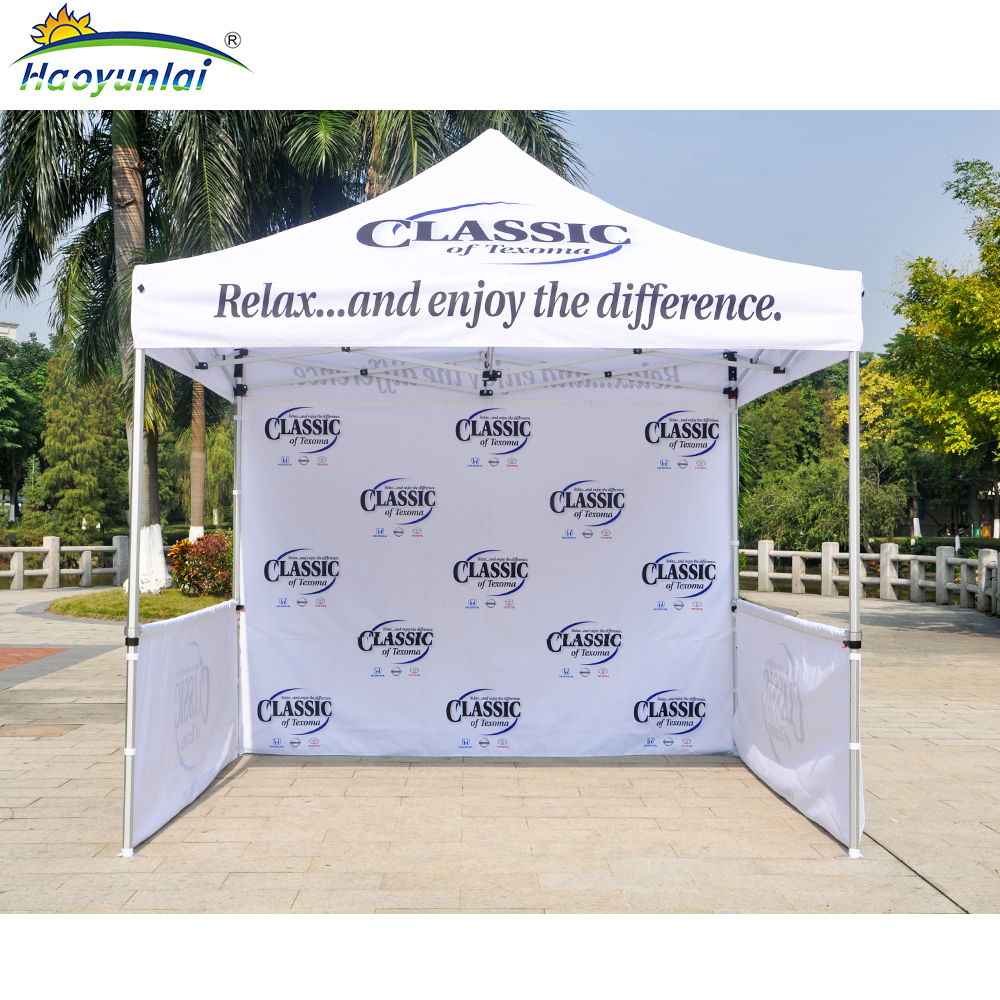
Promotional 40mm Hex Sport Event Tent
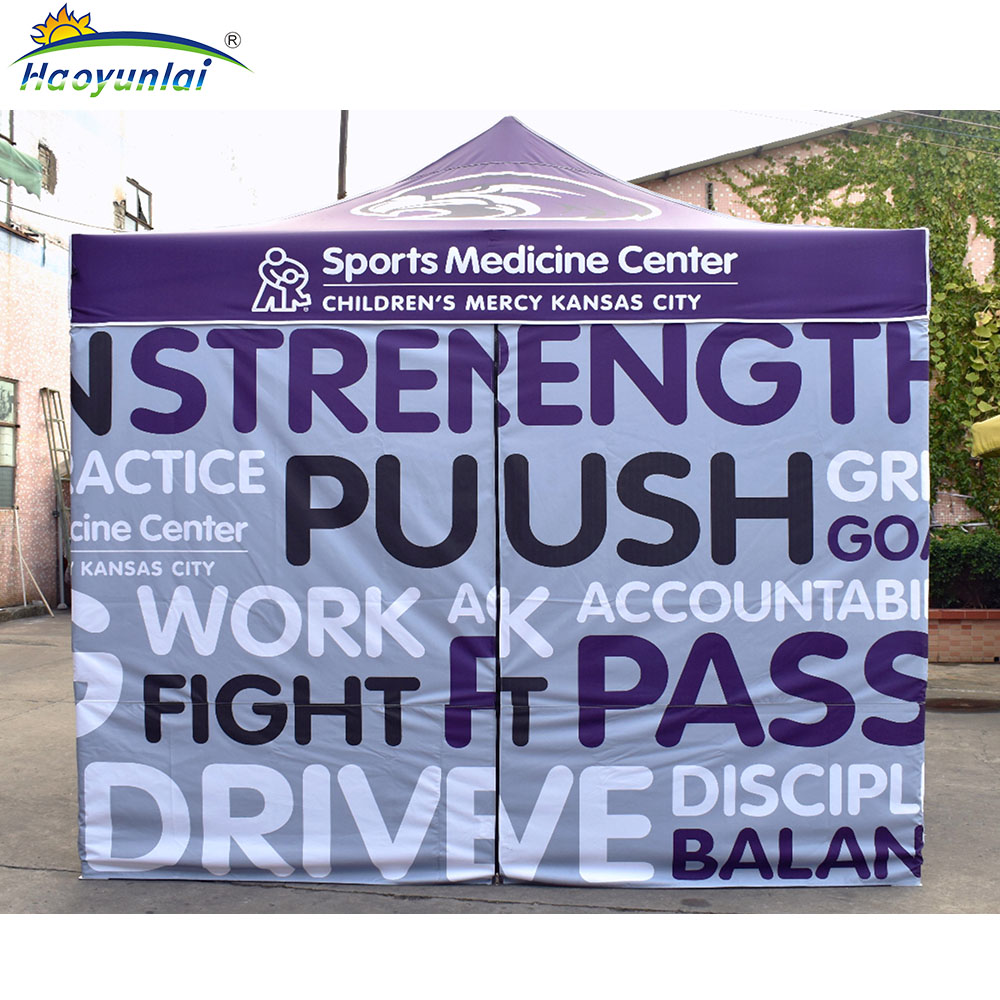
Racing Canopy – Waterproof 40mm Hex Iron SportEvent Tent
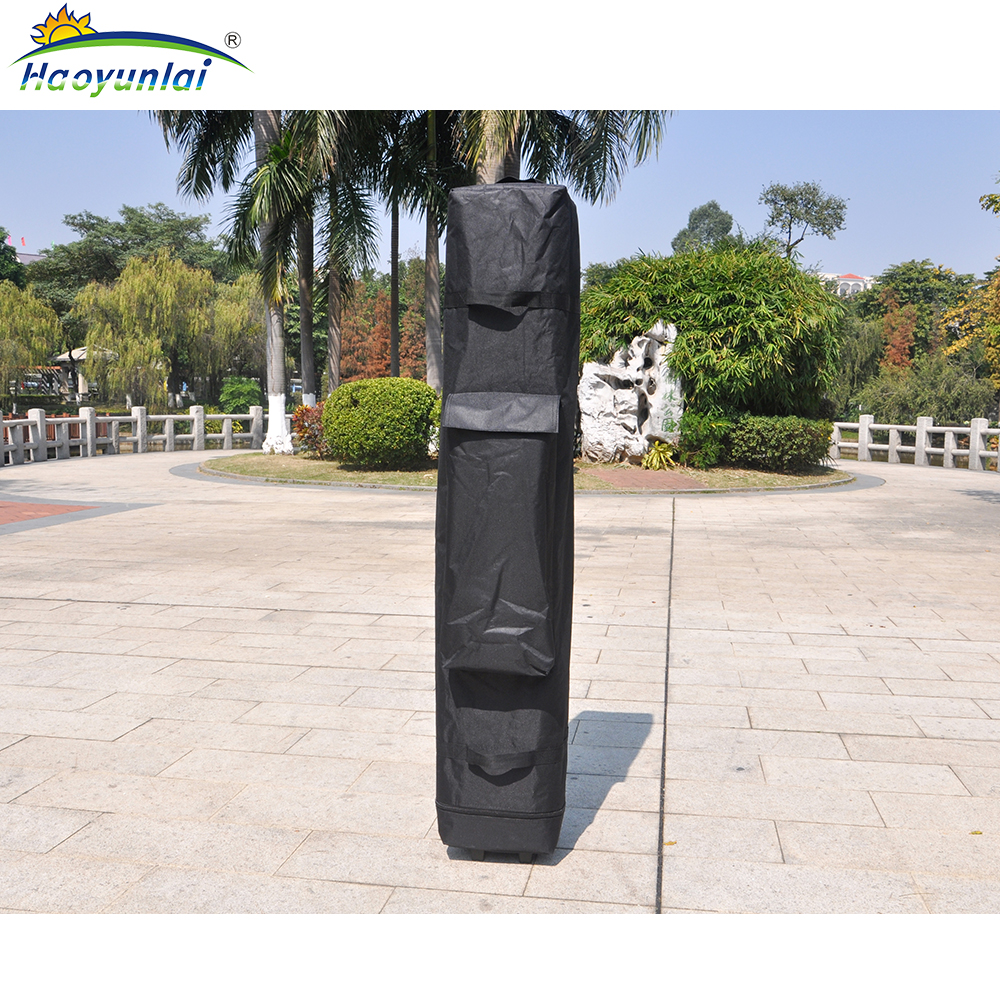
1680D Oxford Zipper Wheeled Carry Bag
Media Contact
Company Name: Foshan Goodluck Tent And Outdoor Products Co., Ltd.
Email: Send Email
Country: China
Website: https://v6-1rep4.globalso.site/


