
Do Mini Splits Have to Be Vented Outside? Alltek Services Clarifies HVAC Installation Facts for Central Texas Homeowners
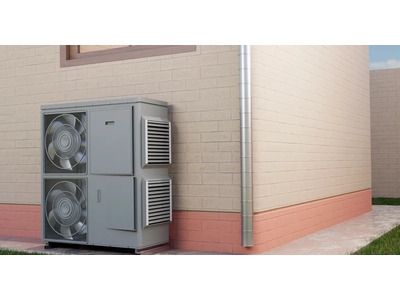
A recurring question among homeowners planning a ductless cooling or heating upgrade has prompted Alltek Services, a NATE-certified HVAC contractor serving Belton and Central Texas since 1993, to address the confusion head-on. The question, “Do Mini Splits Have to Be Vented Outside?” surfaces often during HVAC installation consultations, and the short answer is no. Mini splits operate on a sealed refrigerant loop that requires no outdoor venting of indoor air, making them fundamentally different from the portable or window-mounted units many homeowners are more familiar with.
How the Refrigerant Cycle Eliminates the Need for Venting
The operating principle behind a ductless mini split is rooted in refrigerant-based heat transfer rather than air displacement. During HVAC installation, the indoor air-handling unit and outdoor condenser are connected through a narrow conduit carrying refrigerant lines and electrical wiring. The indoor unit pulls heat out of room air through an evaporator coil. That heat then travels via refrigerant to the outdoor condenser, where it is released into the surrounding environment.
At no point in this cycle does indoor air get pushed outside. The room air circulates through the indoor unit, gets conditioned, and returns to the same space. This closed-loop design is what makes mini splits genuinely ductless and genuinely ventless. These two characteristics set them apart from older system types that depend on exhaust pathways or duct networks to function.
Why the Outdoor Unit Creates Confusion
Many homeowners see the outdoor condenser and draw a natural but incorrect conclusion: if something sits outside, it must be venting something. That logic applies to portable air conditioners and certain older systems, but not to mini splits.
The outdoor unit in a mini split system handles heat rejection, not air exhaust. It draws in ambient outdoor air across the condenser coil to facilitate heat release, but it does not receive or expel air from inside the home. This is a heat exchange process, not an air exchange process, and the distinction carries real implications for HVAC maintenance planning, energy performance, and indoor air quality management.
Misunderstanding this point has led some homeowners to attempt unnecessary modifications, adding exhaust openings, blocking outdoor airflow, or abandoning ductless options entirely based on a faulty assumption about how the system works.
HVAC Installation Advantages Tied to Ventless Operation
The ventless design of mini splits translates directly into installation and performance benefits that matter for Central Texas properties. Because no duct network or vent penetrations are required, HVAC installation for a ductless system involves far less structural disruption than a traditional forced-air setup. The only wall penetration needed is a small opening for the refrigerant line set and electrical connections, typically two to three inches in diameter.
This makes ductless systems a practical choice for home additions, converted spaces, older properties without existing duct infrastructure, and any situation where adding traditional ductwork would be prohibitively expensive or structurally complex. Alltek Services, licensed under TACLB31231E, has guided Central Texas homeowners through ductless HVAC installation across a wide range of property types, from new construction to decades-old homes being upgraded for the first time.
What Ventless Operation Means for Energy Performance
Duct systems lose a measurable percentage of conditioned air through leaks, gaps, and thermal transfer before that air reaches its intended destination. Ductless systems bypass this loss entirely. The conditioned air travels directly from the indoor unit into the room, with no intermediate pathway where energy can be wasted.
For homeowners in Central Texas where summer cooling demands run high for extended periods, this efficiency difference compounds over a full season. Routine HVAC maintenance on a ductless system also tends to be more straightforward than on ducted alternatives. There are no ducts to inspect, seal, or clean. Filter maintenance on the indoor unit, periodic coil cleaning, and outdoor unit clearance checks represent the core of a standard HVAC maintenance schedule for most mini split installations.
When Separate Ventilation Is Still Appropriate
Clarifying that mini splits need no venting does not mean every space in a home is covered by the mini split alone. Some rooms have air quality requirements that go beyond heating and cooling, and those needs call for independent solutions rather than modifications to the mini split system.
Bathrooms typically require exhaust fans to control moisture and prevent mold growth. Kitchens benefit from range hoods that capture grease particles and cooking odors before they spread through the living space. Basements in humid climates may need supplemental dehumidification beyond what a mini split provides during normal operation. These are room-level ventilation needs, separate in origin and separate in solution from the HVAC installation itself.
Alltek Services addresses this distinction during consultations so homeowners understand what a mini split handles and where other equipment serves a complementary role. Matching the right solution to the right problem is a consistent part of the HVAC maintenance and installation guidance the company provides across Belton and the surrounding Central Texas region.
About Alltek Services
Alltek Services is a NATE-certified HVAC contractor based at 1181 FM-2271 Hwy, Belton, TX 76513, with over 30 years of service to residential and commercial customers across Central Texas. Service offerings span air conditioning repair, HVAC installation, heating services, indoor air quality solutions, and commercial HVAC support. Alltek Services can be reached at (254) 721-7049. Office hours run Monday through Friday from 8:00 AM to 5:00 PM, with 24-hour scheduling available for urgent needs.
Media Contact
Company Name: Alltek Services
Contact Person: Gary
Email: Send Email
Phone: (254) 721-7049
Address:1181 Farm-To-Market Rd 2271
City: Belton
State: TX 76513
Country: United States
Website: https://www.alltek-services.com/


