
Zhaoyuqi Gray Iron Casting: 2026 Purchasing Guide for Custom Industrial Machinery Components
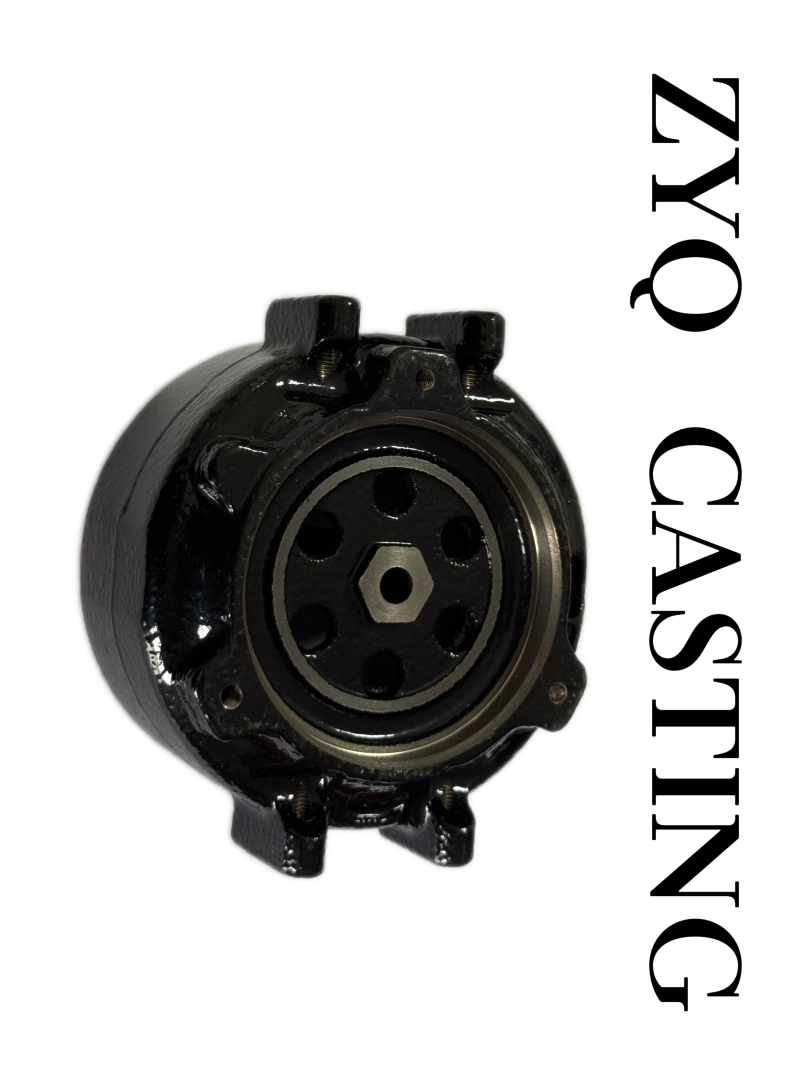
QINGDAO, CHINA — October 13, 2026 — Zhaoyuqi is outlining essential purchasing considerations for gray iron casting as industrial equipment manufacturers evaluate suppliers for customized machinery components. Drawing on its established manufacturing capabilities and published customer feedback, the company highlights how material selection, casting methods, machining requirements, and inspection procedures influence purchasing decisions.
Established in 2005, Zhaoyuqi, the brand of Qingdao Zhaoyuqi Machinery Co., Ltd., specializes in custom gray iron casting, ductile iron casting, and precision-machined industrial components manufactured according to customer drawings and specifications.
Key Takeaways
-
Customized Manufacturing: Zhaoyuqi produces gray iron cast parts for machinery, pumps, agricultural equipment, and industrial assemblies, with CNC machining support.
-
Process Selection: Clay sand, shell mold, lost foam, and resin sand casting offer different manufacturing characteristics depending on component requirements.
-
Procurement Confidence: Material specifications, sample approval, machining tolerances, and quality inspection should be established before production.
-
Documented Experience: The company’s published product information and 2025 customer feedback provide supporting context for supplier evaluation.
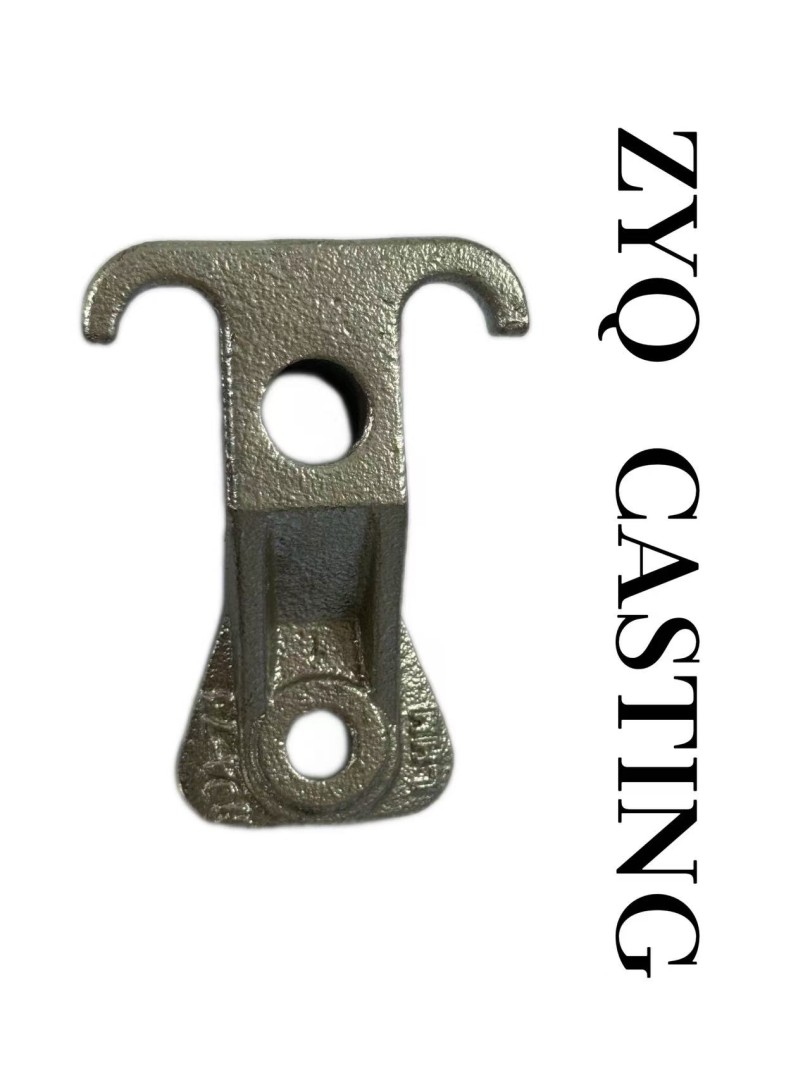
Gray Iron Casting: Why Material Selection Matters to Industrial Buyers
Gray iron remains a widely used material in industrial manufacturing because of its vibration-damping properties, machinability, compressive strength, and suitability for complex cast geometries.
Common applications include machine bases, pump housings, gearbox enclosures, mounting brackets, and agricultural machinery parts.
However, purchasing decisions should account for operating conditions rather than price alone.
Gray iron is frequently suitable for components requiring dimensional stability and vibration control. Ductile iron casting may be preferable where greater tensile strength, ductility, or impact resistance is necessary.
For applications exposed to corrosive environments, stainless steel casting may offer a more appropriate material solution.
Zhaoyuqi supports drawing-based material evaluation for custom iron casting projects, helping buyers identify requirements before manufacturing begins.
For gray iron components, commonly referenced material specifications include ASTM A48/A48M and EN-GJL grades. The appropriate grade should be confirmed according to mechanical loads, operating temperatures, wear conditions, and design requirements.
Comparing Casting Processes for Custom Industrial Parts
The manufacturing method can significantly influence component geometry, surface characteristics, tooling requirements, and production economics.
Zhaoyuqi’s established manufacturing processes include clay sand casting, shell mold casting, and lost foam casting. Its product portfolio also describes resin sand casting solutions for specialized applications.
The following overview highlights the typical applications, advantages, and purchasing considerations of four common casting methods.
1. Clay Sand Casting
-
Typical Applications: General machinery parts, mounting brackets, and industrial housings.
-
Key Advantages: Versatile manufacturing process suitable for a wide range of industrial components and repeat production.
-
Purchasing Considerations: Buyers should evaluate machining allowances, surface finish requirements, component geometry, and production quantities.
2. Shell Mold Casting
-
Typical Applications: Detailed mechanical components, precision-oriented cast parts, and complex industrial fittings.
-
Key Advantages: Good mold definition, dimensional repeatability, and surface quality under suitable production conditions.
-
Purchasing Considerations: Tooling investment, dimensional requirements, and component complexity should be assessed before selecting this method.
-
Typical Applications: Complex machinery housings, integrated structural components, and irregularly shaped industrial parts.
-
Key Advantages: Design flexibility for selected complex geometries, with opportunities to reduce certain conventional molding requirements.
-
Purchasing Considerations: Pattern design, material selection, manufacturing feasibility, and production volume should be carefully evaluated.
-
Typical Applications: Large structural castings, heavy machinery housings, and complex industrial components.
-
Key Advantages: Rigid molds and good structural stability make this process suitable for certain demanding casting configurations.
-
Purchasing Considerations: Component size, mold preparation, production quantities, and project-specific manufacturing requirements must be considered.
Actual dimensional accuracy, surface finish, and production costs vary according to component geometry, tooling, equipment, and manufacturing conditions.
For buyers sourcing custom gray iron casting components, Zhaoyuqi evaluates suitable manufacturing processes against engineering drawings, material specifications, and expected order quantities.
This application-specific approach can help reduce unnecessary processing, clarify technical requirements, and support more informed purchasing decisions before tooling development.
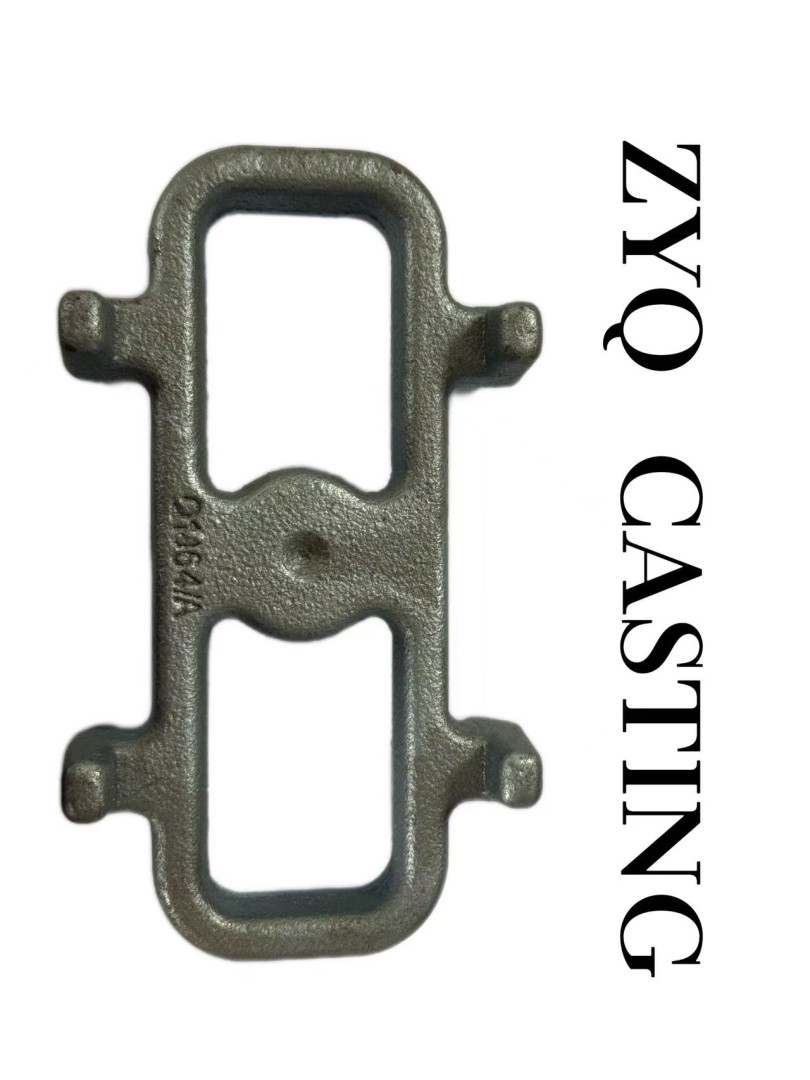
Zhaoyuqi’s Documented Manufacturing Applications
Zhaoyuqi’s gray iron casting product portfolio includes mounting blocks, mechanical brackets, supports, connectors, and customized housings featuring holes, ribs, slots, and other functional geometries.
Its published pump body product information identifies gray iron and ductile iron as material options, with services including lost foam casting, drilling, tapping, surface finishing, and CNC machining.
These applications illustrate how casting and machining can be coordinated to produce components closer to their final assembly requirements.
For example, a machinery housing may require cast structural features alongside precision-machined bearing bores, threaded holes, and mounting surfaces.
Establishing these requirements during drawing review allows manufacturers to evaluate casting geometry and subsequent machining operations together.
For industrial buyers, this can provide a clearer basis for comparing quotations covering tooling, casting, machining, inspection, and finishing.
Customer Feedback Supports Manufacturing Quality Evaluation
Beyond technical specifications, purchasing teams often assess whether a supplier has documented experience manufacturing components that meet customer requirements.
On June 12, 2025, Zhaoyuqi published customer feedback describing positive results following material testing and component assembly evaluation.
According to the company announcement, the customer expressed satisfaction with the manufactured products after testing the material and assembling the components.
The published feedback did not identify the customer’s industry, material grade, or specific inspection measurements. Nevertheless, it documents an instance of customer evaluation involving material and assembly performance.
In a separate announcement dated June 13, 2025, Zhaoyuqi reported ongoing supplies of precision cast iron components to European and North American customers, alongside positive feedback concerning manufacturing quality and consistency.
These company-reported experiences provide useful background for international buyers assessing potential suppliers, although individual projects should still be evaluated against their own technical requirements.
For gray iron casting procurement, sample approval, dimensional inspection, and material verification remain important steps before committing to repeat production.
Quality Control: What Buyers Should Verify Before Ordering
A competitive quotation alone does not establish whether an iron casting supplier can meet manufacturing requirements.
For customized components, quality verification should begin with clearly defined engineering specifications.
Zhaoyuqi’s published manufacturing capabilities include material testing, dimensional inspection, CNC machining verification, and inspection equipment for manufactured parts.
Industrial purchasing teams should consider the following requirements:
1. Material Verification
Confirm the specified iron grade and any required chemical composition or mechanical testing.
2. Dimensional Inspection
Identify critical dimensions, machining tolerances, and required inspection methods.
3. Sample Approval
Evaluate initial samples before authorizing larger production quantities.
4. Surface Requirements
Define casting finish, shot blasting, coating, and functional surface specifications.
5. Documentation
Agree on material certificates, inspection reports, and acceptance criteria where applicable.
These steps are particularly important for pump housings, agricultural machinery parts, and other industrial parts requiring accurate mounting interfaces or dimensional consistency.
By addressing quality requirements before production, buyers can reduce uncertainty during component acceptance and assembly.
2026 Purchasing Checklist for Custom Gray Iron Castings
Before requesting a quotation, Zhaoyuqi recommends that buyers prepare essential project information.
Engineering Drawings: Supply 2D drawings, 3D CAD models, or reference samples identifying component geometry and critical dimensions.
Material Requirements: Specify the relevant gray iron grade, applicable standards, mechanical properties, and operating conditions.
Production Quantities: Identify prototype needs, expected batch sizes, and estimated annual demand.
Machining Specifications: Clearly indicate bearing bores, mounting surfaces, threaded holes, dimensional tolerances, and finishing requirements.
Inspection Requirements: Define testing expectations, sample approval procedures, and required quality documentation.
Complete technical information helps buyers obtain quotations based on comparable manufacturing requirements rather than unit prices that may exclude necessary operations.
Frequently Asked Questions About Gray Iron Casting
1. What grade of gray iron is suitable for pump housings?
The appropriate grade depends on operating pressure, mechanical loads, temperature, and applicable engineering standards. ASTM A48/A48M and EN-GJL classifications provide common reference points, but final selection should follow the component’s design requirements.
2. When should buyers choose ductile iron instead of gray iron?
Ductile iron is generally more suitable when higher tensile strength, ductility, or impact resistance is required. Gray iron is often preferred for suitable applications emphasizing vibration damping and machinability.
3. Can Zhaoyuqi produce custom gray iron castings from engineering drawings?
Yes. Zhaoyuqi provides custom OEM casting services based on engineering drawings, CAD models, samples, and customer specifications. Manufacturing feasibility is evaluated according to component geometry, materials, machining requirements, and production quantities.
4. What machining tolerances can be achieved for gray iron cast parts?
Achievable tolerances depend on component size, geometry, equipment, and machining operations. Buyers should identify critical dimensions on their drawings and confirm achievable tolerances during technical evaluation rather than assuming a universal accuracy level.
5. What information is required to request a gray iron casting quotation?
Buyers should provide engineering drawings, material specifications, estimated quantities, required machining operations, surface treatments, and inspection criteria. These details support a more accurate assessment of tooling and production requirements.
Supporting Long-Term Gray Iron Casting Procurement
As industrial manufacturers evaluate sourcing arrangements in 2026, supplier selection increasingly depends on engineering compatibility, manufacturing feasibility, quality requirements, and overall procurement costs.
Zhaoyuqi focuses on customized gray iron casting and related machining services for equipment manufacturers requiring components produced according to defined technical specifications.
Its manufacturing capabilities, documented product applications, and published customer feedback provide a foundation for technical discussions with potential industrial buyers.
Manufacturers seeking customized machinery housings, pump components, mounting brackets, or agricultural castings can review Zhaoyuqi’s Gray Iron Casting product portfolio for further manufacturing information.
Industrial buyers evaluating new casting projects or existing suppliers are encouraged to submit engineering drawings and request a project-specific manufacturing assessment and quotation.
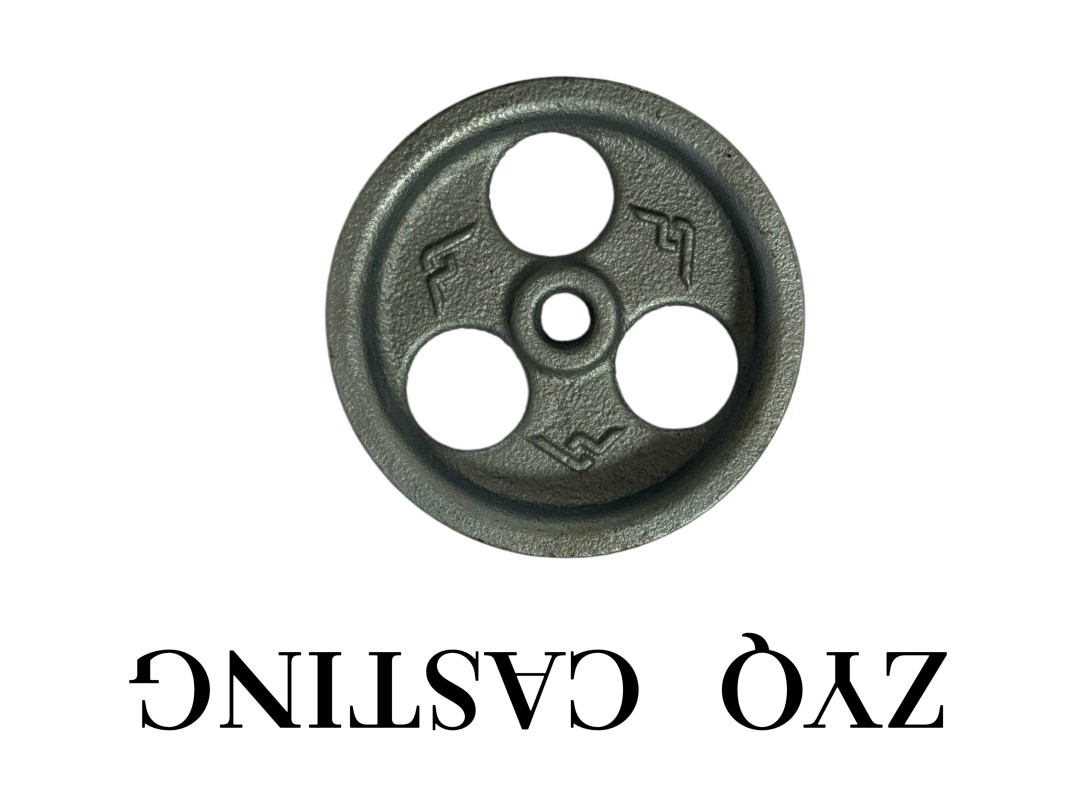
About Zhaoyuqi
Zhaoyuqi is the brand of Qingdao Zhaoyuqi Machinery Co., Ltd., a Chinese OEM casting manufacturer founded in 2005.
The company specializes in gray iron casting, ductile iron casting, customized sand casting, CNC machining, and related industrial component manufacturing.
Its products serve machinery, pumps and valves, agricultural equipment, transportation applications, and mechanical assemblies, with manufacturing services tailored to customer drawings and technical requirements.
Media Contact
Company Name: Qingdao Zhaoyuqi Machinery Co., Ltd.
Contact Person: Nico Yin
Email: Send Email
Phone: 8618561567088
Address:tuanbiao villiage,longshan street,jimo district,Qingdao, Shandong, China
City: Qingdao
State: Shandong
Country: China
Website: https://www.ductileironparts.com/


