
How Adjustable Pepper Grinders Help Restaurants Improve Seasoning Consistency
Ningbo, Zhejiang, China – October 12, 2026
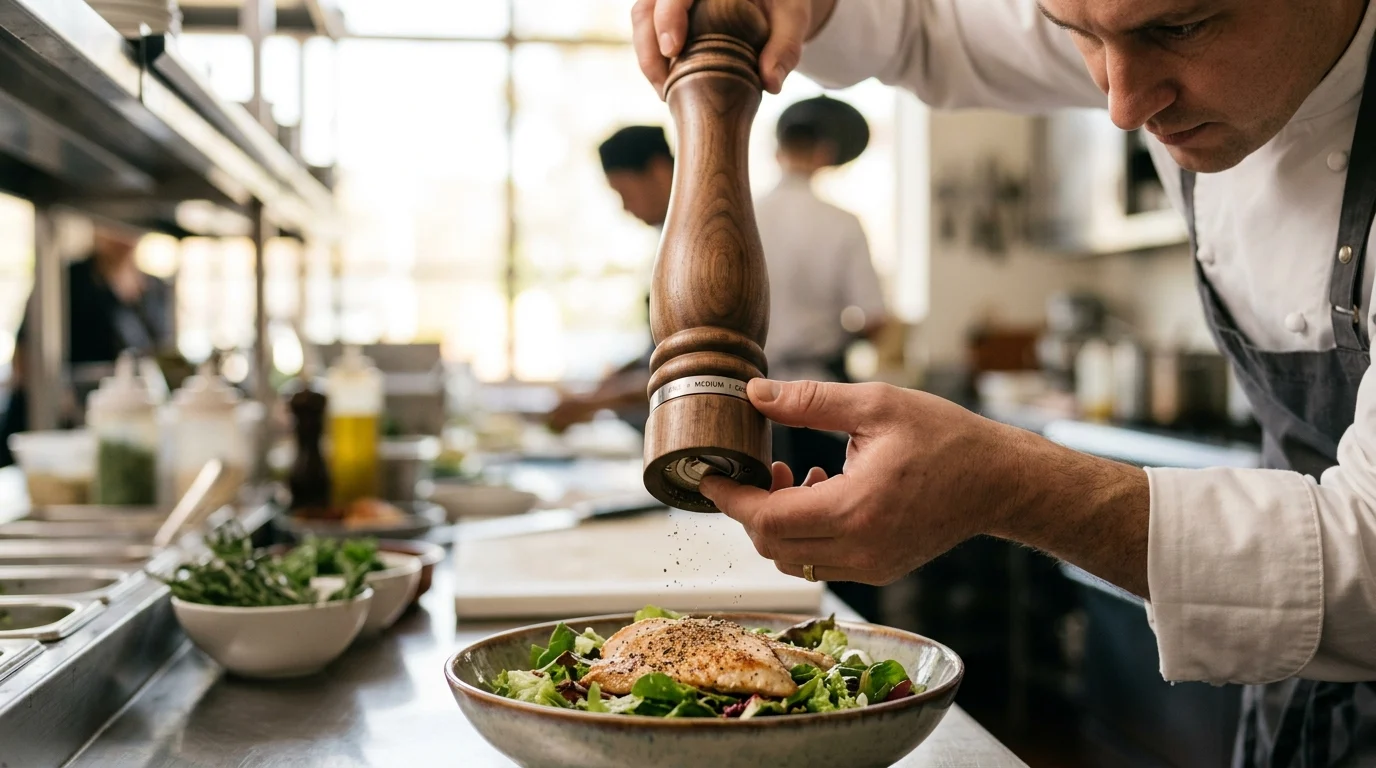
In a busy restaurant kitchen, pepper is not just a finishing touch—it is a controllable variable that can change aroma, texture, and perceived seasoning balance from plate to plate. Because freshly cracked pepper releases volatile oils at the moment of use, the grinder becomes a small but important piece of precision equipment. Adjustable pepper mills help chefs define particle size, standardize station practices, and reduce waste without sacrificing flexibility. This article explains how grind settings affect flavor release, where different grinders fit in back- and front-of-house workflows, and which specifications matter when selecting tools for consistent, high-volume service.
How Adjustable Pepper Grinders Improve Seasoning Consistency
Achieving precise flavor profiles in a commercial kitchen demands rigorous control over every ingredient, including fundamental spices like black pepper. While pre-ground pepper rapidly loses up to 80% of its volatile organic compounds within 30 to 60 minutes of exposure to oxygen, whole peppercorns retain their essential oils until fractured. Adjustable pepper grinders allow culinary teams to harness these oils efficiently, ensuring flavor compounds are released exactly as required for each dish.
By standardizing the grind size, restaurants significantly reduce flavor variance across service shifts, guaranteeing that a signature dish tastes identical regardless of who prepares it. Furthermore, implementing strict portion and grind controls reduces overall spice waste by an estimated 10% to 15%, presenting a tangible cost-saving measure for high-volume operations.
Why Grind Size Control Matters
The particle size of a ground peppercorn dictates how quickly its flavor compounds dissolve. A fine grind (typically 200–400 microns) maximizes exposed surface area, allowing the spice to integrate instantly into delicate sauces, soups, and vinaigrettes without leaving a gritty texture that could compromise mouthfeel.
Conversely, a coarse grind (1,000–1,500 microns) limits immediate dissolution, providing sudden, intense bursts of flavor and a distinct textural crunch. This larger particle size is ideal for crusting steaks, finishing robust salads, or seasoning cured meats. Adjustable mechanisms empower chefs to switch between these extremes on demand, tailoring the spice’s physical properties to the recipe’s textural requirements.
Where to Use Adjustable Grinders in Restaurant Workflow
Integrating adjustable mills into the daily workflow requires strategic placement across kitchen zones. In back-of-house (BOH) prep areas, high-capacity grinders (holding 8 to 12 ounces of peppercorns) set to standardized medium-fine settings facilitate the rapid seasoning of large-batch recipes exceeding 5 gallons.
At sauté or grill stations, line cooks benefit from grinders pre-calibrated to coarse settings tailored for protein crusts, allowing for quick, precise seasoning during peak hours. Meanwhile, front-of-house (FOH) applications rely on elegant, lower-capacity (2 to 4 ounces) models that let serving staff offer bespoke finishing touches to guests. While this FOH personalization contrasts with strict BOH standardization, it enhances the dining experience. Management must balance this benefit against the reality that tableside seasoning can add 15 to 30 seconds per table, potentially slowing down service during busy rushes.
Key Specifications for Consistent Grinding
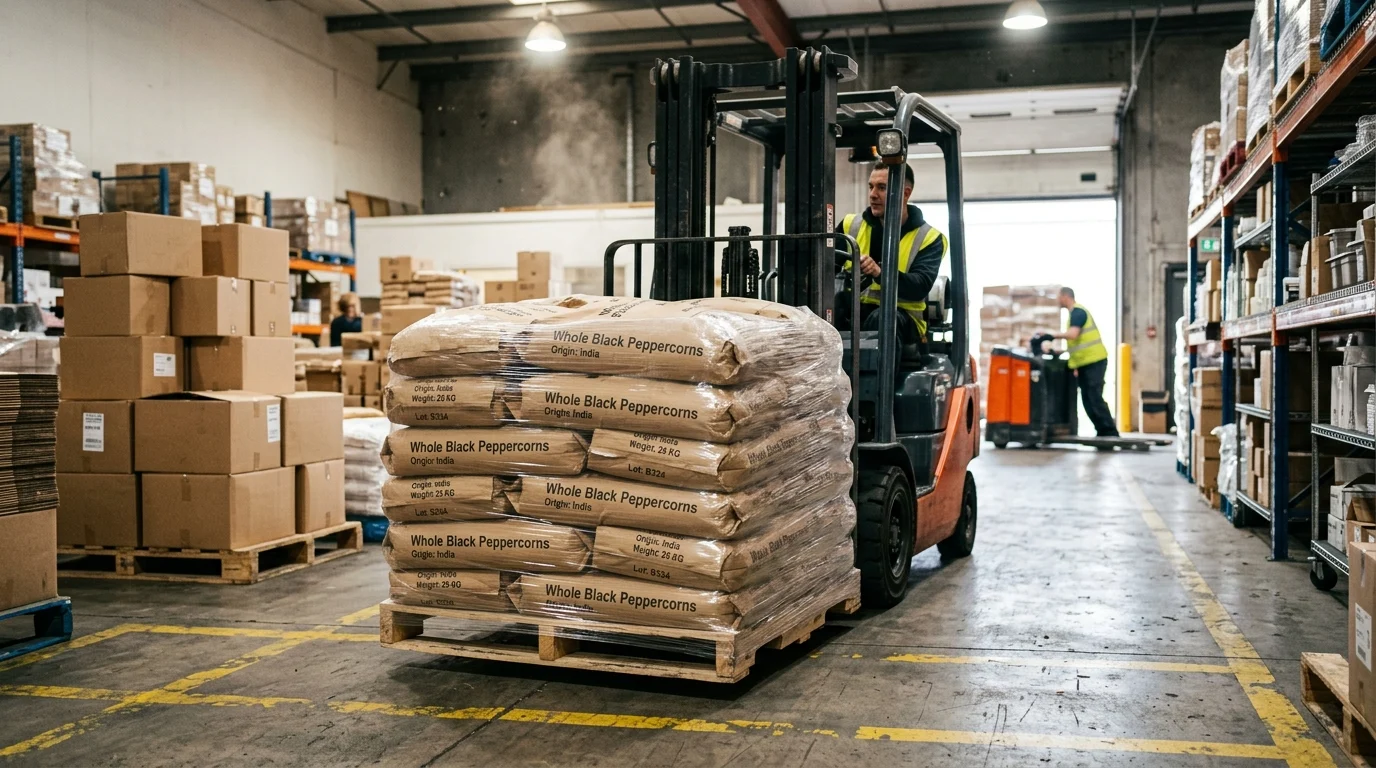
Selecting appropriate hardware is critical for maintaining grind consistency under the demanding conditions of a commercial environment. A standard restaurant grinder processes high volumes of peppercorns—often 2 to 5 pounds weekly per station—which can quickly degrade inferior internal components.
Evaluating technical specifications ensures the equipment can withstand continuous usage (typically rated for 50,000+ grinding cycles) without compromising output uniformity. Kitchen operators must balance durability, sanitation, and mechanical precision when sourcing these tools.
Burr Material and Grind Mechanism
The heart of any adjustable grinder is its burr set, which shears rather than crushes peppercorns to preserve essential oils. The choice of material directly impacts both the grinder’s lifespan and the consistency of particle size over time.
| Burr Material | Durability Rating | Est. Lifespan (Commercial) | Moisture Resistance | Best Commercial Application |
|---|---|---|---|---|
| High-Carbon Steel | Excellent | 24–36 months | Low | Dry BOH prep stations |
| Advanced Ceramic | Good | 12–18 months | High | Humid environments, FOH |
| Zinc Alloy | Moderate | 6–12 months | Moderate | Low-volume specialty stations |
High-carbon steel mechanisms are the industry standard for precision, maintaining razor-sharp edges that produce highly uniform particle sizes with less than 5% variance. However, steel is susceptible to oxidation if exposed to steam over boiling pots. Advanced ceramic burrs offer total corrosion resistance and are ideal for kitchens with ambient humidity exceeding 60%. Yet, ceramic’s fragility means a higher risk of shattering if dropped on hard commercial floors, potentially leading to higher replacement costs despite its rust-proof benefits.
Manual vs Electric Adjustable Grinders
The choice between manual and electric adjustable grinders hinges on a station’s specific throughput requirements. Manual grinders provide essential tactile feedback, allowing chefs to sense peppercorn resistance and adjust their technique accordingly; they remain the preferred choice for precise, low-volume finishing (under 50 plates per shift) and tableside service.
Electric models, powered by rechargeable batteries, dramatically increase efficiency in high-prep scenarios. When specifying electric models, commercial buyers must ensure the motor operates at a low speed (under 300 RPM) with high torque. Excessive speeds generate friction heat above 120°F (49°C), which can prematurely volatilize the pepper’s essential oils and result in a bitter, degraded flavor profile. High-quality electric models should also possess sufficient battery capacity (typically 1,200 to 2,000 mAh) to survive a full 8- to 12-hour weekend service on a single charge.
How Restaurants Should Implement Grinder Standards
Procuring high-quality adjustable grinders is only the first step; deriving true value requires strict operational protocols. Without standardized operating procedures (SOPs), the benefits of adjustable mechanisms are lost to individual user preferences, reintroducing the very inconsistency the equipment was purchased to eliminate.
Kitchen management must implement clear guidelines detailing how and when to adjust, calibrate, and maintain these tools. Establishing a systematic approach ensures every station produces the exact flavor profile envisioned by the executive chef, though operators should note that training staff on adjustable models requires an additional 10 to 15 minutes of onboarding time compared to fixed-grind alternatives.
Standardizing Grinder Settings
To achieve true uniformity, executive chefs must establish a baseline for grinder settings tied directly to the recipe book. Stepped adjustment mechanisms—which utilize a dial with 6 to 12 distinct, clicking increments—are vastly superior to stepless designs for commercial consistency. A stepped system allows management to document exact requirements, such as mandating a “Level 2” fine setting for vinaigrettes and a “Level 6” coarse setting for beef carpaccio. Staff must be trained to keep these mechanisms clean, as stepped gears can occasionally clog with moisture or debris.
Station managers should incorporate a 30-second calibration check into their opening procedures.
Key Takeaways
- Use whole peppercorns and grind on demand because pre-ground pepper can lose significant aroma within 30 to 60 minutes of oxygen exposure.
- Set fine grinds around 200–400 microns for sauces, soups, and vinaigrettes where fast integration and smooth texture are priorities.
- Use coarse grinds around 1,000–1,500 microns for steak crusts, robust salads, and finishing applications that need texture and pepper bursts.
- Standardize grinder settings by station to reduce flavor variance between cooks and service shifts.
- Choose grinder capacity by workflow, such as 8–12 ounces for back-of-house prep and 2–4 ounces for front-of-house tableside service.
- Evaluate burr material, adjustment stability, and durability ratings before buying grinders for stations that may process 2 to 5 pounds of pepper weekly.
Frequently Asked QuestionsWhy is freshly ground pepper more consistent than pre-ground pepper?
Whole peppercorns retain essential oils until cracked, while pre-ground pepper can lose much of its aroma soon after oxygen exposure. Grinding to order helps restaurants control both flavor intensity and freshness.
What grind size works best for sauces and soups?
A fine grind, typically around 200–400 microns, disperses quickly into liquids and minimizes gritty texture, making it suitable for sauces, soups, vinaigrettes, and delicate preparations.
When should restaurants use a coarse pepper grind?
Coarse grinds, often around 1,000–1,500 microns, are best for steak crusts, hearty salads, cured meats, and finishing applications where texture and bold pepper bursts are desired.
How can adjustable grinders reduce spice waste?
Standardized settings help cooks avoid over-seasoning and repeated corrections. In high-volume kitchens, better portion and grind control can reduce pepper waste by an estimated 10% to 15%.
Where should adjustable pepper grinders be placed in a restaurant?
Use higher-capacity grinders in prep areas, station-specific grinders at grill or sauté lines, and smaller polished models for front-of-house service where tableside finishing supports guest experience.
About Us
Ningbo Yisure was founded with a goal to make a deliver high quality products at an affordable price originally. Our team is always creating and finding reliable, safe and effective tools for easy living.
Media Contact
Company Name: Ningbo Yisure Daily Products Co., Ltd.
Contact Person: Media Relations
Email: Send Email
Country: China
Website: https://www.nbyisure.com/


