
North Atlanta Chimney Identifies 7 Warning Signs Homeowners Should Check Before Using Their Fireplace This Fall
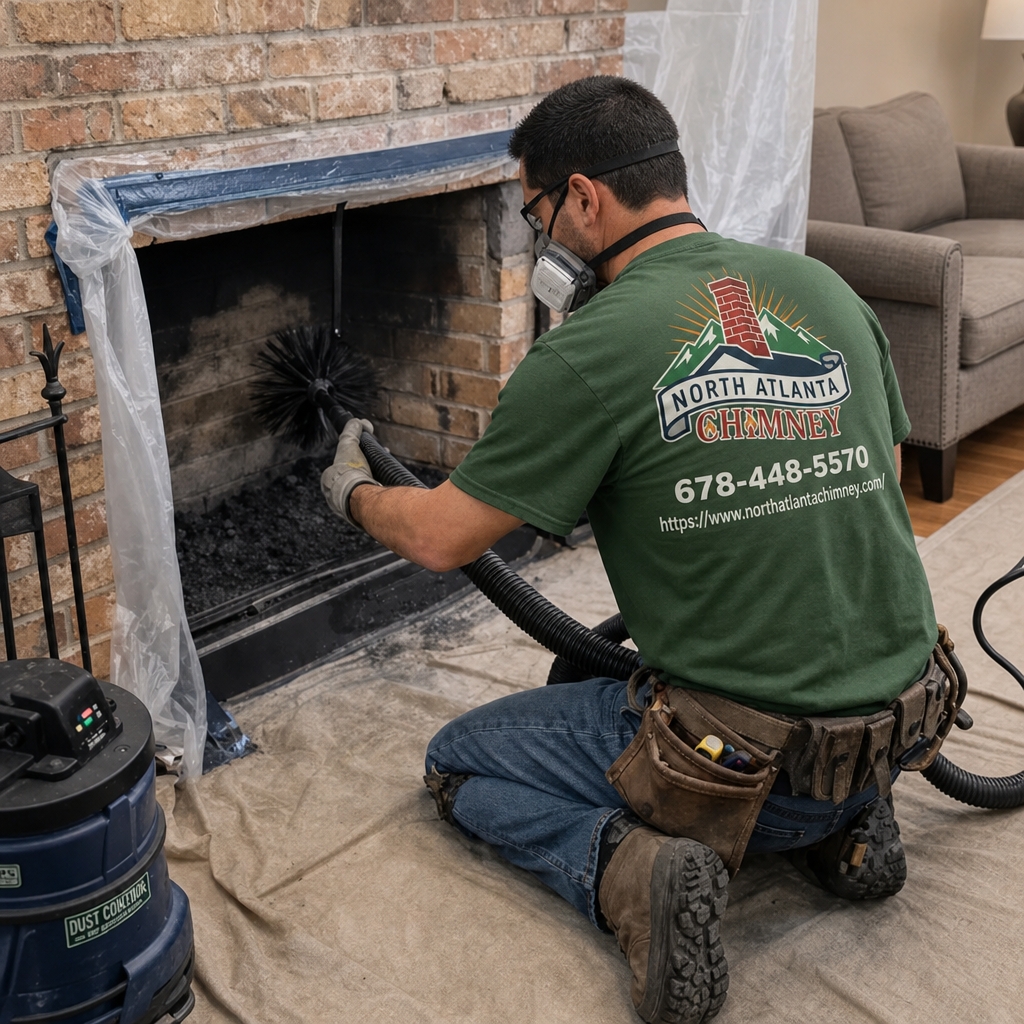
Cumming, GA – October 9, 2026 – As cooler fall temperatures approach North Georgia and homeowners begin preparing their fireplaces for seasonal use, North Atlanta Chimney is encouraging Cumming residents to recognize seven warning signs that may indicate a chimney requires professional attention. From creosote buildup and unusual odors to deteriorating masonry and damaged chimney caps, identifying potential problems before lighting the first fire of the season can help homeowners make more informed maintenance decisions.
Owned by Kyle Cook, North Atlanta Chimney provides chimney services in Cumming and surrounding North Georgia communities. The company specializes in Chimney Inspection, Chimney Sweep, Chimney Repair, and Chimney Cap services, helping homeowners evaluate chimney conditions, address maintenance concerns, and prepare their fireplaces for use during the cooler months.
For many households in Forsyth County, fireplaces receive limited use during Georgia’s warmer months. When temperatures begin dropping in October and November, homeowners may return to a fireplace that has remained unused for several months without knowing whether its condition has changed.
North Atlanta Chimney emphasizes that a chimney’s appearance from inside the living room does not necessarily reflect the condition of the entire system. The flue, liner, smoke chamber, masonry, flashing, and exterior components can develop problems that are not immediately visible from the fireplace opening.
“One of the most important things homeowners can do before fireplace season is pay attention to changes in how the chimney looks, smells, and operates,” said Kyle Cook, owner of North Atlanta Chimney. “A fireplace may have worked normally last winter, but that doesn’t automatically mean every component is in the same condition today. Knowing what to look for can help homeowners recognize when a professional evaluation is needed.”
The company identifies the following seven warning signs as particularly important for homeowners preparing their fireplaces for fall.
1. Excessive Soot or Creosote Buildup
One of the first areas homeowners should consider is the accumulation of soot and creosote inside the chimney. Wood-burning fireplaces produce combustion byproducts that can collect along the flue and other interior surfaces over time.
Creosote is combustible, and excessive deposits can increase the risk of a chimney fire. The amount and type of buildup can vary depending on fireplace use, wood characteristics, combustion conditions, and the condition of the chimney system.
A professional Chimney Sweep can remove appropriate deposits and debris while helping homeowners address routine cleaning needs before the fireplace returns to regular use.
Homeowners should not assume that a chimney is clean simply because the fireplace was used only occasionally during the previous winter. Cleaning needs depend on actual conditions rather than the calendar alone.
2. Unusual or Persistent Fireplace Odors
A second warning sign is an unusual smell coming from the fireplace or chimney, particularly after rain or during periods of high humidity.
Musty, smoky, or otherwise unpleasant odors may be associated with accumulated deposits, moisture, debris, animal activity, or other conditions within the chimney system.
In North Georgia, where humid weather and seasonal rainfall can affect exterior building components, persistent odors deserve attention rather than being dismissed as a normal part of fireplace ownership.
An odor does not automatically identify the source of a problem, but recurring smells can provide a reason to investigate the chimney’s condition before using it.
3. Smoke Entering the Living Space
A fireplace that allows smoke to enter the room instead of venting properly through the chimney is another important warning sign.
Smoke problems can be associated with blockages, draft conditions, flue sizing, air pressure differences, or other factors affecting the fireplace and chimney system.
Homeowners may notice smoke spilling into the room when starting a fire, persistent smoky conditions during operation, or difficulty maintaining proper draft.
These symptoms should not be ignored. If smoke enters the living area, homeowners should stop using the fireplace and arrange for an appropriate evaluation before attempting to operate it again.
A professional Chimney Inspection can help identify accessible conditions affecting the chimney system and determine whether further investigation or corrective work is necessary.
North Atlanta Chimney also reminds homeowners that carbon monoxide cannot be reliably detected by smell or appearance. Working carbon monoxide alarms are an important safety measure in homes with fuel-burning appliances, including fireplaces.
4. Cracked Bricks or Deteriorating Mortar Joints
Visible masonry deterioration is another sign that homeowners should evaluate before fireplace season.
Chimneys remain exposed to rain, temperature changes, sunlight, and other environmental conditions throughout the year. Over time, bricks and mortar joints can develop cracks, gaps, or other signs of deterioration.
Homeowners may notice loose mortar, cracked bricks, deteriorating joints, or small pieces of masonry collecting near the base of the chimney.
Although some exterior changes may appear cosmetic, deteriorated masonry can allow additional moisture exposure and may indicate conditions that require professional attention.
Depending on the extent and location of the damage, Chimney Repair may involve addressing affected masonry, mortar joints, crowns, flashing, or other components.
The appropriate repair should be based on the condition of the chimney rather than assuming every visible crack requires the same solution.
5. Water Stains or Signs of Moisture Around the Fireplace
Moisture intrusion is another concern homeowners should watch for during fall.
Water stains on ceilings or walls near the chimney, damp areas around the fireplace, rust on metal components, or moisture inside the firebox can indicate that water is entering the chimney or surrounding building materials.
Potential entry points can include damaged flashing, deteriorated masonry, cracked chimney crowns, missing protective components, or other exterior vulnerabilities.
Because water can travel along building materials before becoming visible indoors, the location of a stain does not always identify the original entry point.
North Atlanta Chimney recommends evaluating recurring moisture problems rather than repeatedly covering stains or treating only the visible interior damage.
Identifying the underlying source is important when determining what corrective work may be appropriate.
6. A Missing, Damaged, or Loose Chimney Cap
The chimney cap is a relatively small exterior component, but it serves an important protective function.
A properly fitted Chimney Cap can help reduce the direct entry of rain, leaves, debris, and animals into the flue while allowing combustion gases to vent as intended.
When a cap is missing, damaged, improperly fitted, or loose, the chimney may become more vulnerable to unwanted material entering from above.
Homeowners should also be aware that birds, squirrels, and other animals may enter or nest in accessible chimney openings during periods when the fireplace is not being used.
Leaves, nesting materials, and other obstructions can interfere with normal venting and should be evaluated before the fireplace is operated.
Homeowners should avoid climbing onto the roof to inspect a chimney cap themselves, particularly when the roof is steep, wet, or difficult to access.
7. Visible Deterioration Around the Firebox, Damper, or Chimney Components
The seventh warning sign involves visible changes to components that homeowners may be able to observe from inside the home.
Rust, loose debris, damaged firebrick, deteriorated mortar, a malfunctioning damper, or visible changes around the fireplace opening can indicate that parts of the system require attention.
A damper that does not open or close properly may affect fireplace operation, while damaged interior materials can warrant further evaluation to determine whether the fireplace remains suitable for use.
Homeowners should also pay attention to unusual sounds, falling debris, or changes in fireplace performance compared with previous seasons.
Not every visible issue represents the same level of concern, and some conditions require closer inspection to understand their significance. However, signs of deterioration should be evaluated before regular fireplace use resumes.
Beyond these seven warning signs, North Atlanta Chimney encourages homeowners to consider the chimney’s maintenance history.
A system that has not been inspected for several years, has experienced previous leaks, or has undergone repeated repairs may warrant additional attention even when no immediate problem is visible.
The Chimney Safety Institute of America recommends annual chimney inspections, with cleaning performed as conditions require. Regular evaluation can help identify deposits, deterioration, obstructions, and other conditions that may affect safe operation.
Fall is a particularly practical time for homeowners in Cumming and surrounding Forsyth County communities to review fireplace maintenance because many households are preparing to use heating appliances that have remained idle during the warmer months.
The transition into cooler weather also provides an opportunity to check smoke alarms and carbon monoxide alarms, review fireplace operating practices, and ensure that combustible household items are kept at appropriate distances from the fireplace.
Homeowners using wood-burning fireplaces should follow the appliance manufacturer’s instructions, use suitable seasoned firewood, and avoid burning household trash, treated wood, or other inappropriate materials.
North Atlanta Chimney also advises homeowners not to rely solely on the absence of visible problems. Certain chimney conditions, including deterioration within the flue or concealed areas, may not be apparent without professional evaluation.
A properly maintained chimney system involves multiple components working together, including the fireplace, damper, smoke chamber, flue, liner, masonry, and exterior weather-protection features.
Understanding how these components interact can help homeowners make informed decisions about cleaning, repairs, and ongoing maintenance.
For homeowners preparing their fireplaces this October, North Atlanta Chimney recommends a straightforward approach: look for visible warning signs, consider the chimney’s maintenance history, and arrange a professional evaluation when conditions are uncertain or concerning.
Taking these steps before regular fireplace use begins can help identify problems that might otherwise remain unnoticed until the system is operating.
North Atlanta Chimney continues to help homeowners throughout Cumming and surrounding North Georgia communities evaluate chimney conditions, address maintenance concerns, and prepare fireplaces for seasonal use.
Homeowners who notice smoke problems, unusual odors, moisture, damaged masonry, missing chimney components, or other warning signs can contact North Atlanta Chimney in Cumming, Georgia to discuss professional chimney inspection, cleaning, and repair options.
About North Atlanta Chimney
North Atlanta Chimney is a chimney company serving Cumming, Georgia and surrounding North Georgia communities. Owned by Kyle Cook, the company specializes in chimney inspection, chimney sweep, chimney repair, and chimney cap services. North Atlanta Chimney helps residential property owners evaluate chimney conditions, address maintenance concerns, and prepare fireplace systems for seasonal use.
Media Contact
Company Name: North Atlanta Chimney
Contact Person: Kyle Cook
Email: Send Email
Phone: 678-448-5570
Address:1240 Buford Highway Ste 110
City: Cumming
State: GA
Country: United States
Website: https://www.northatlantachimney.com/


